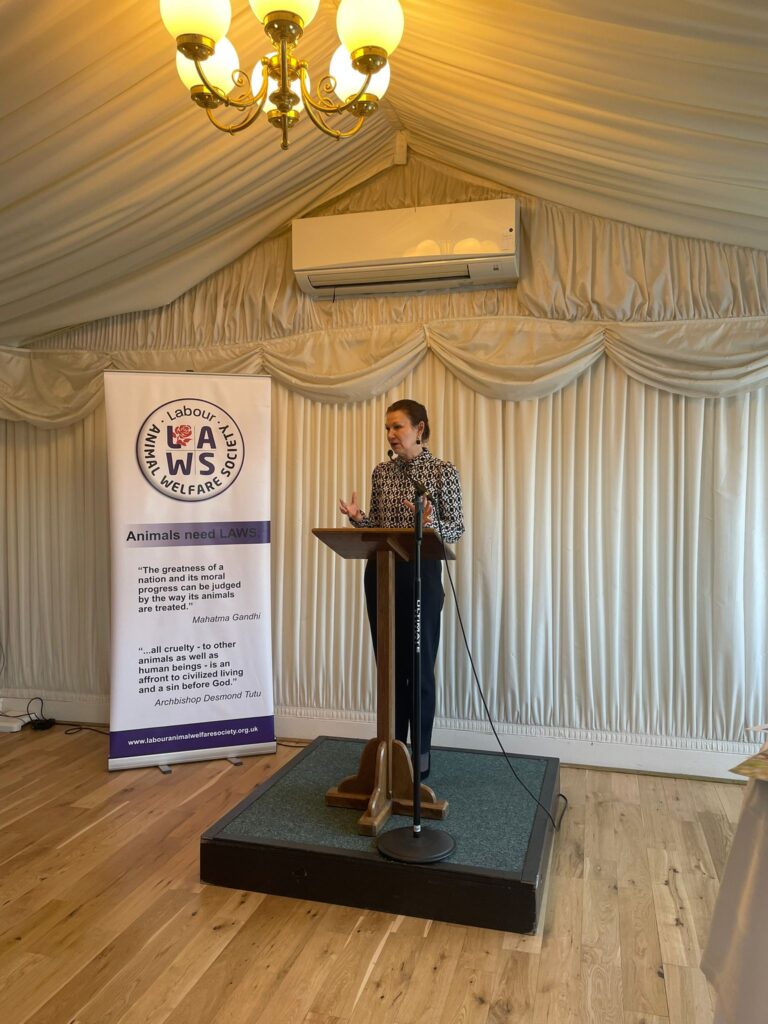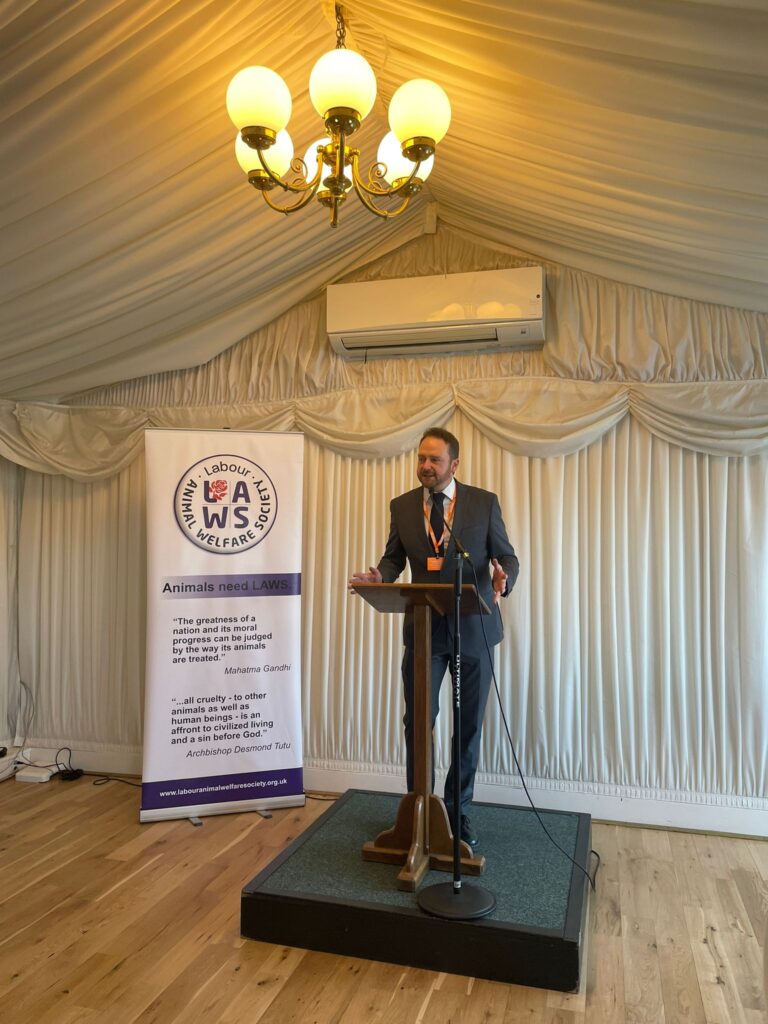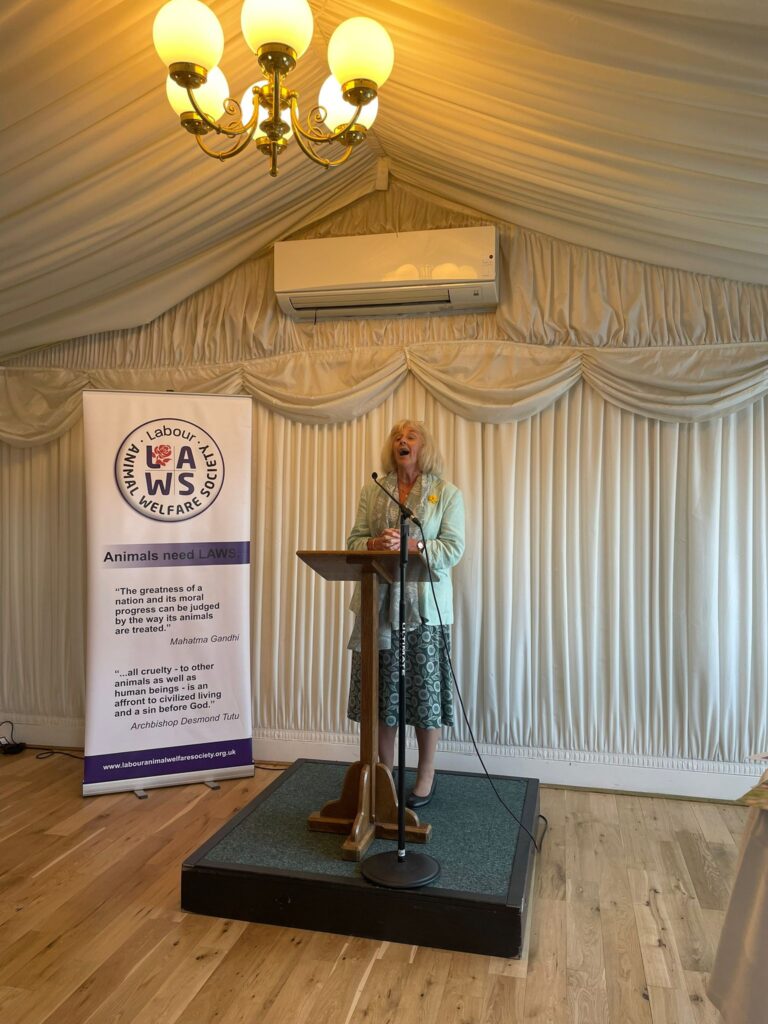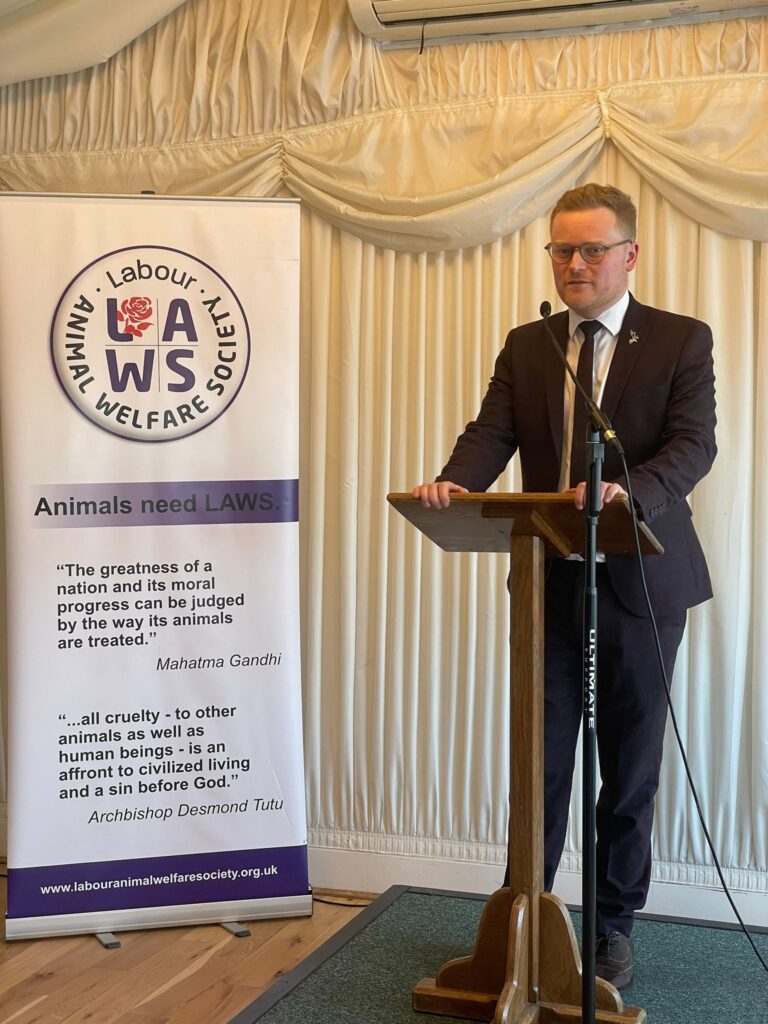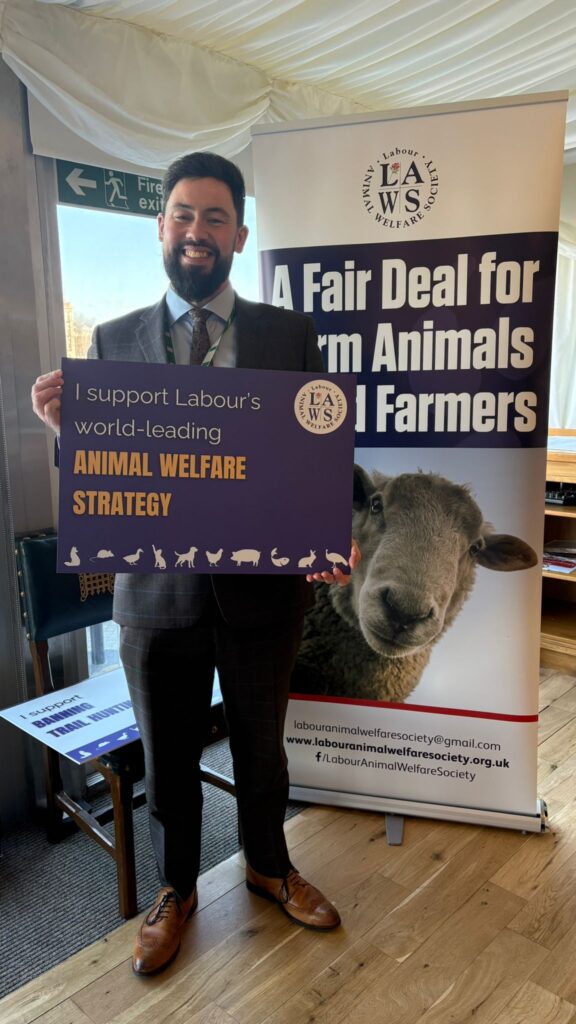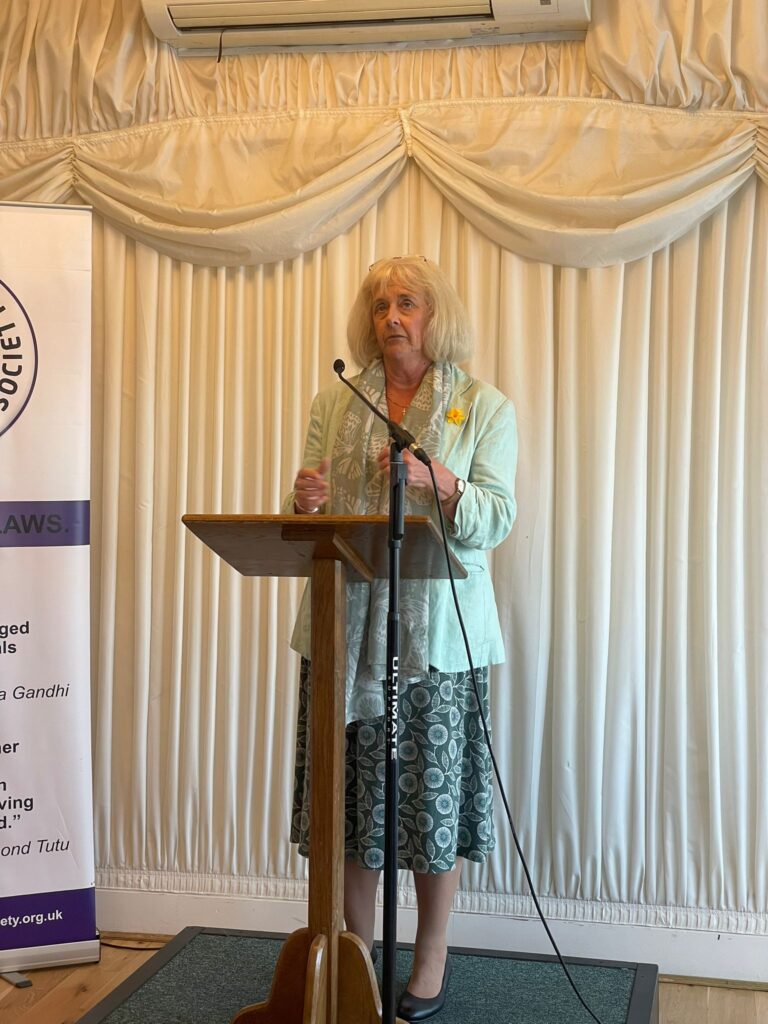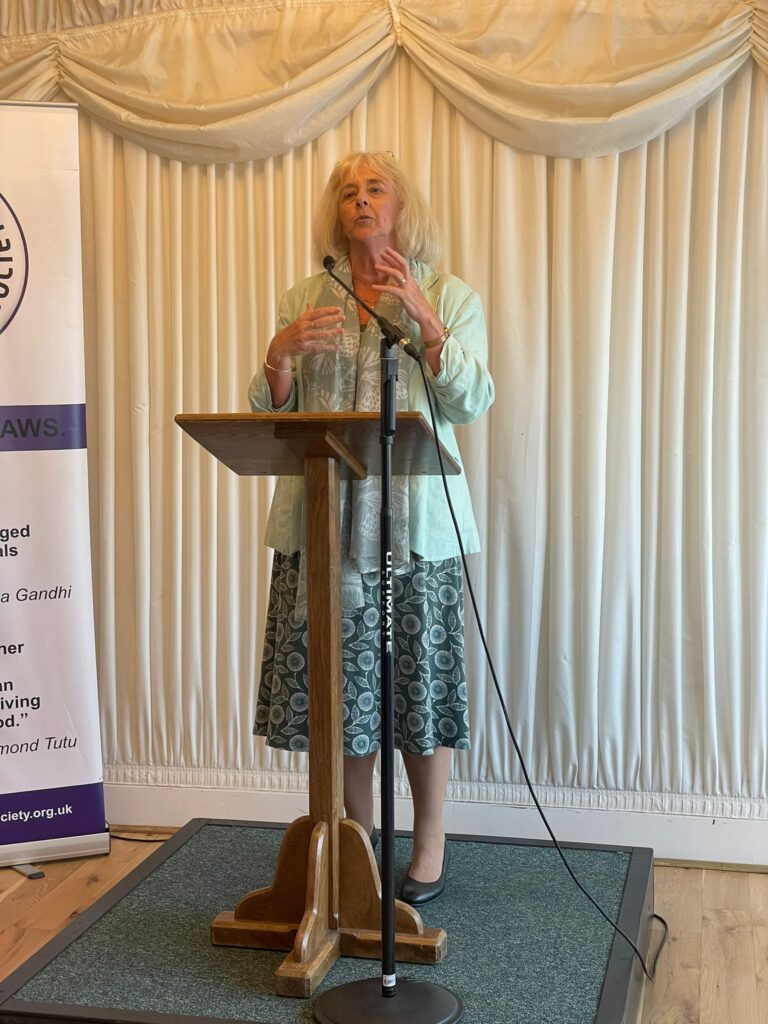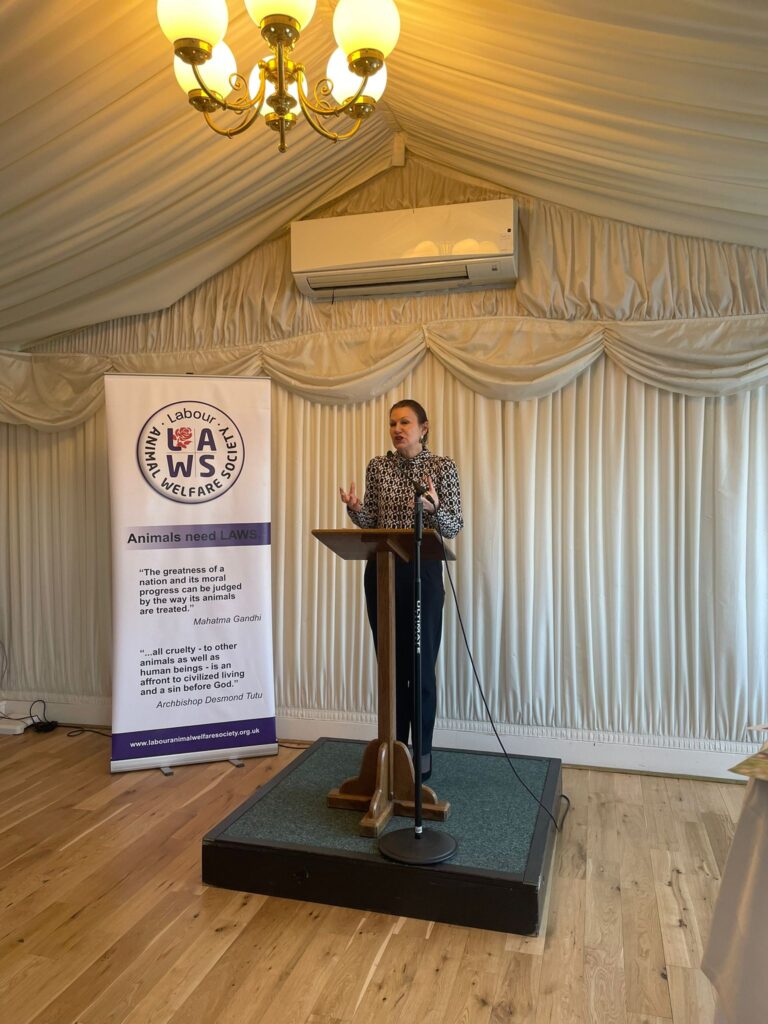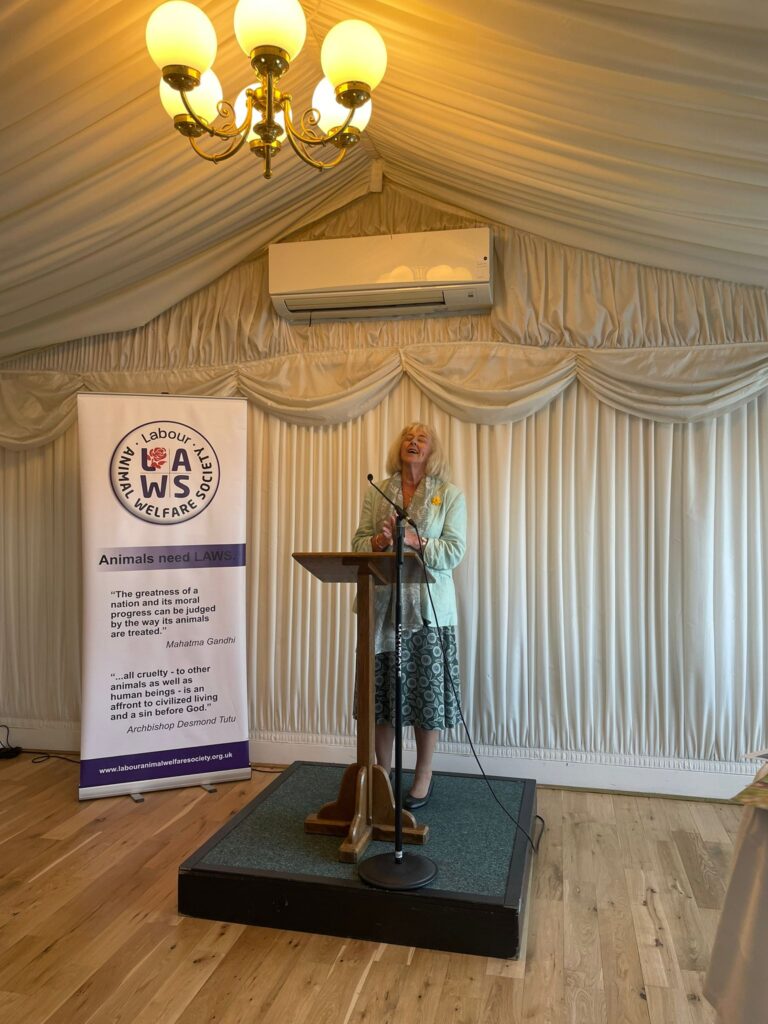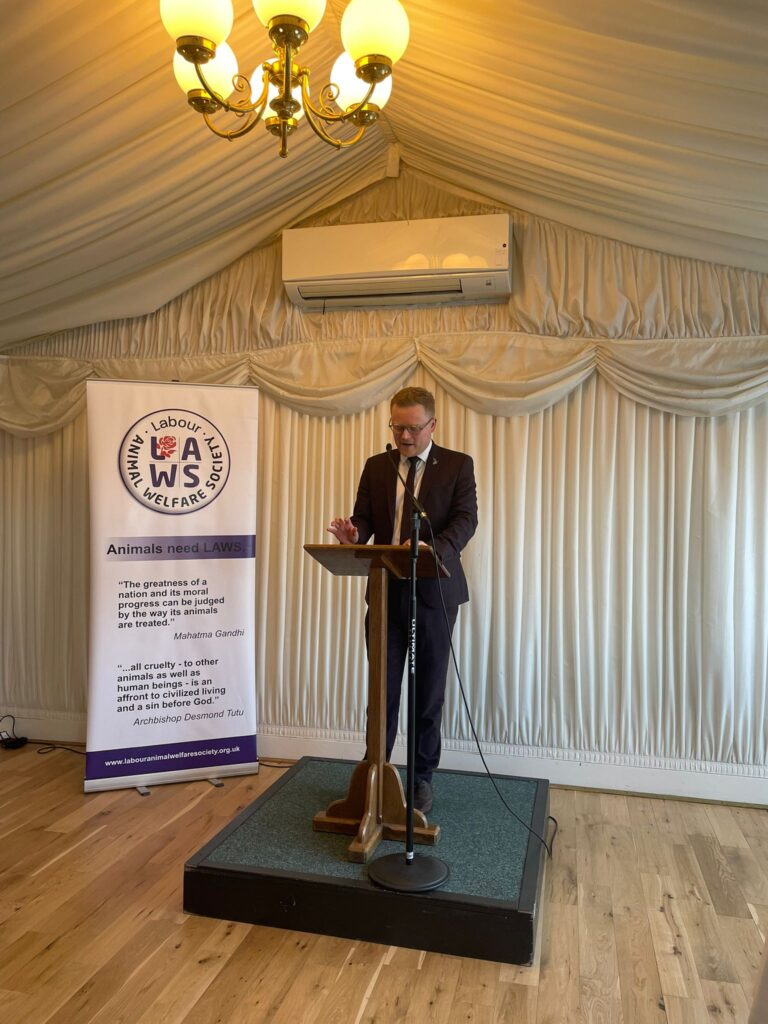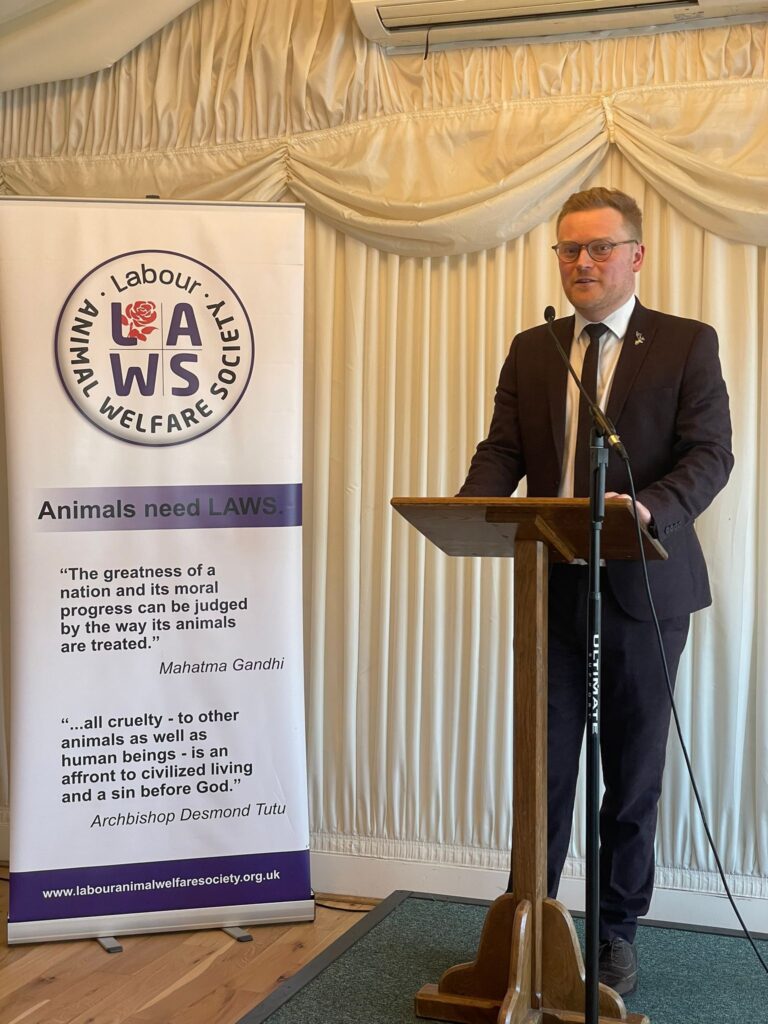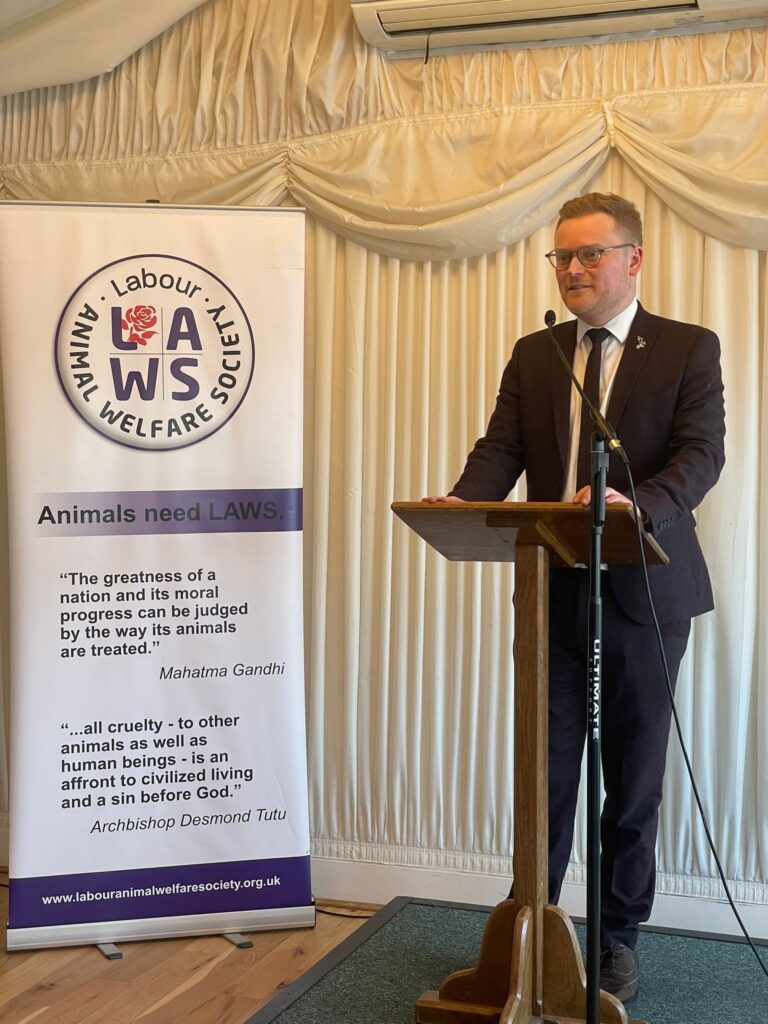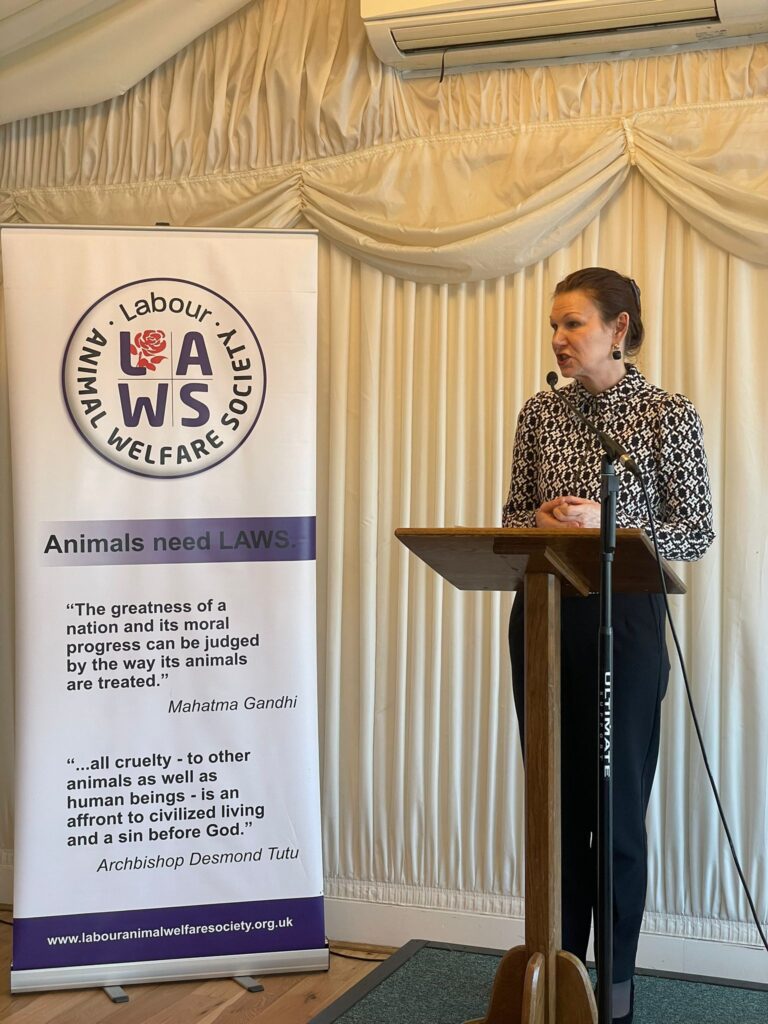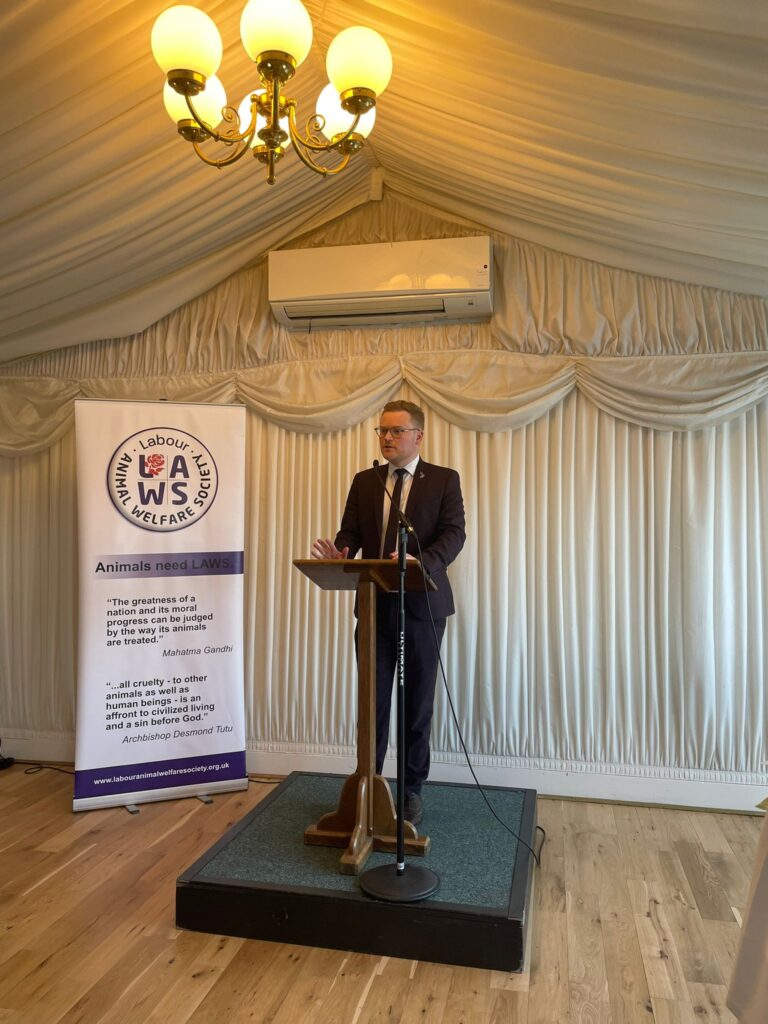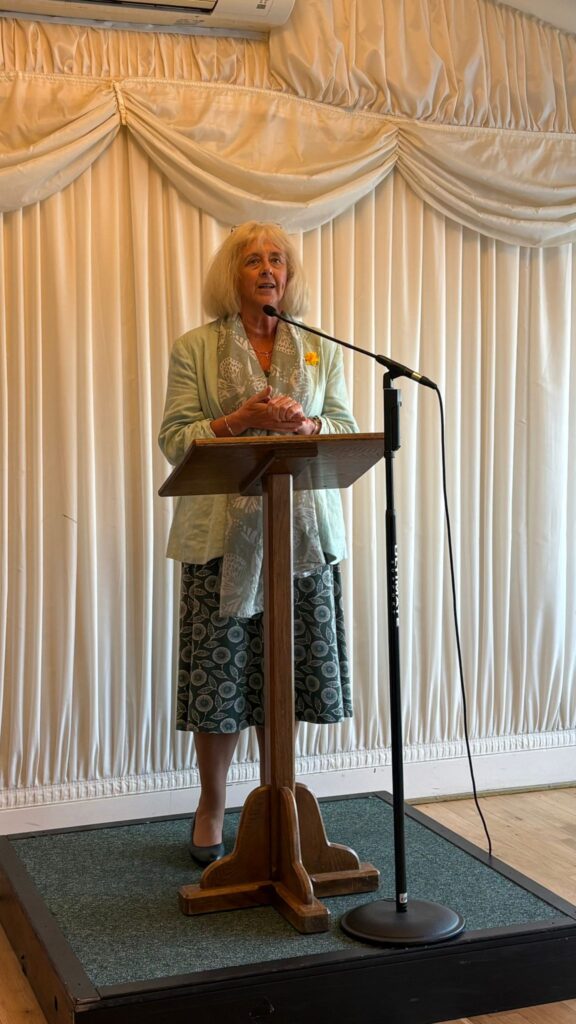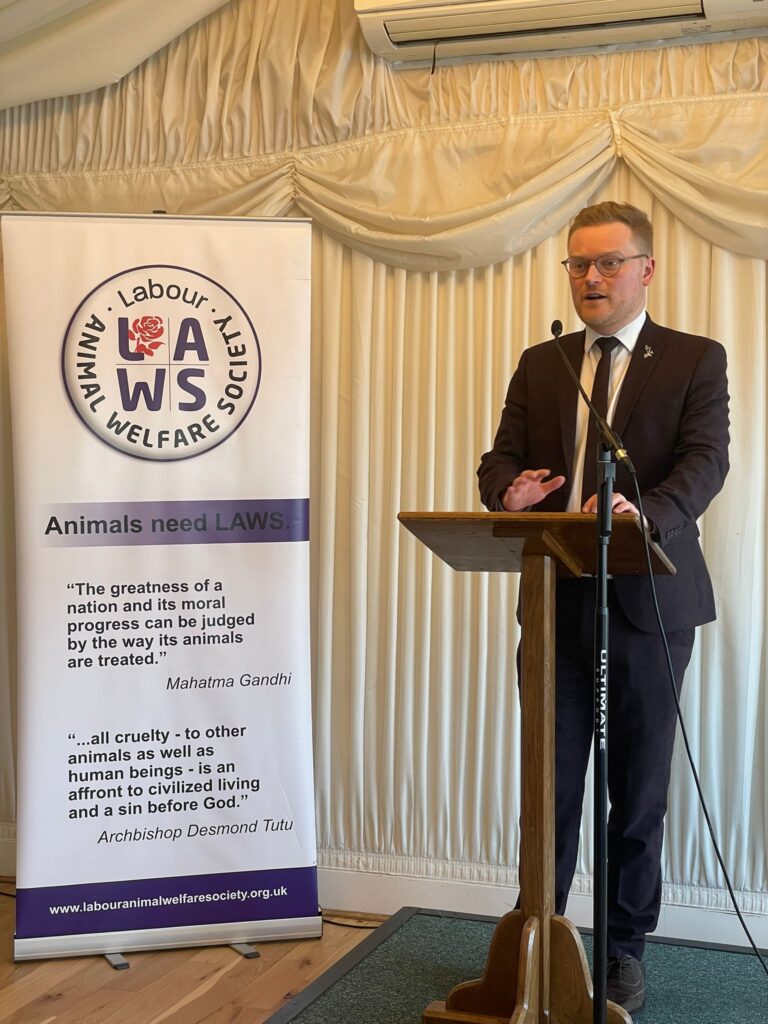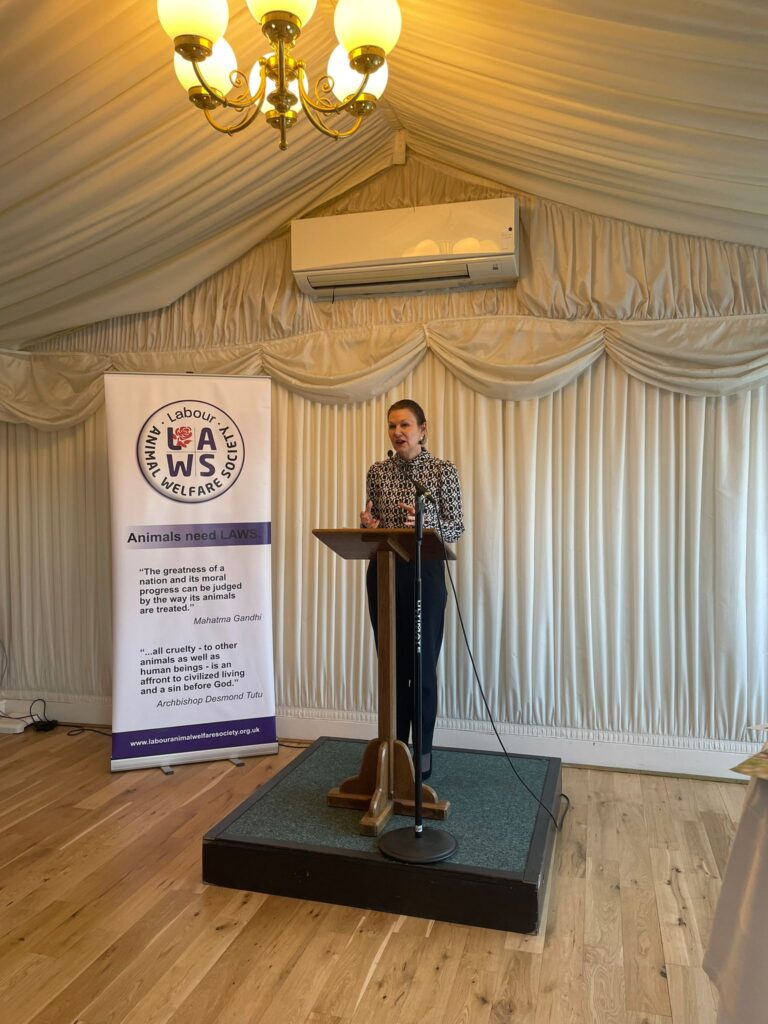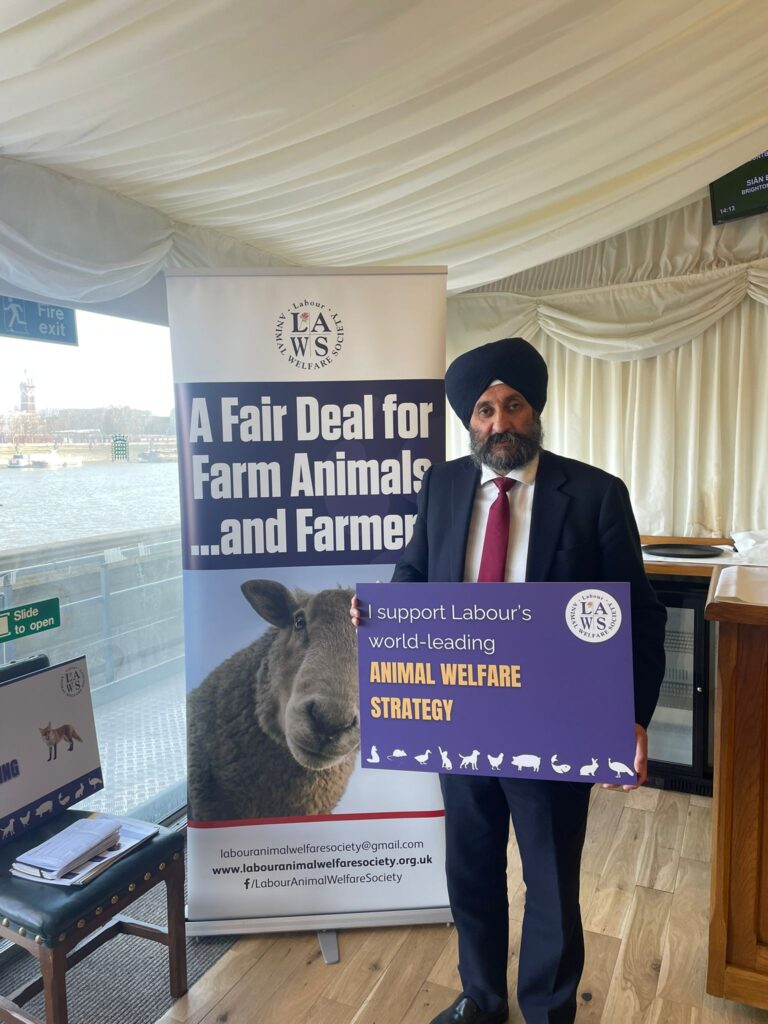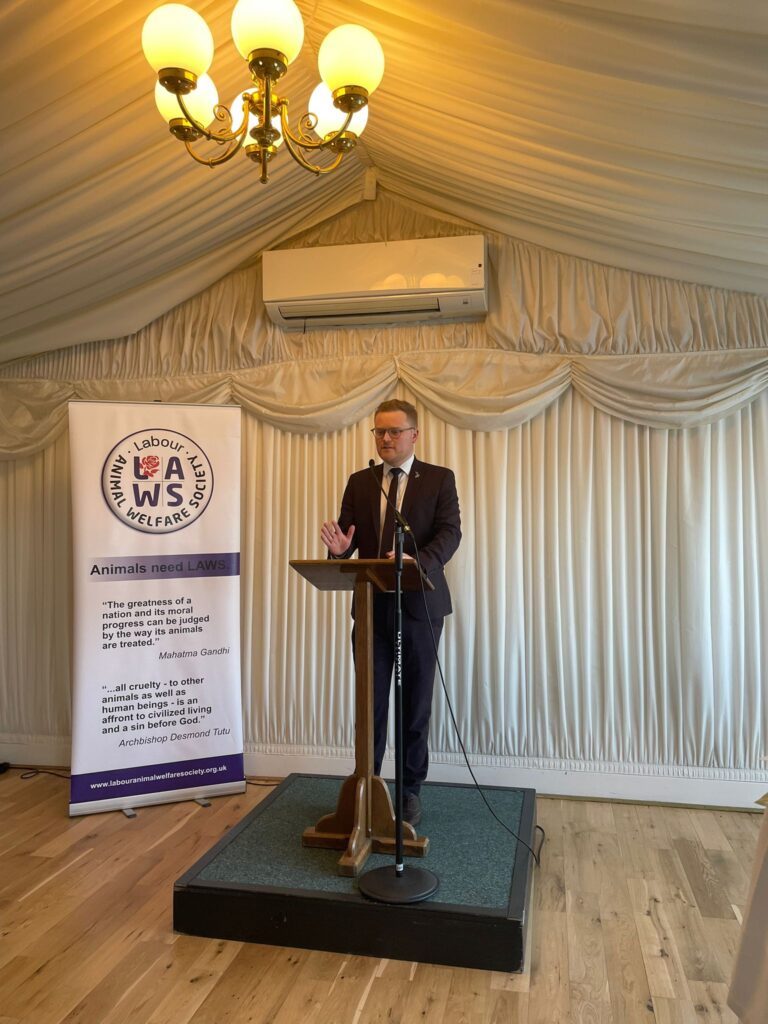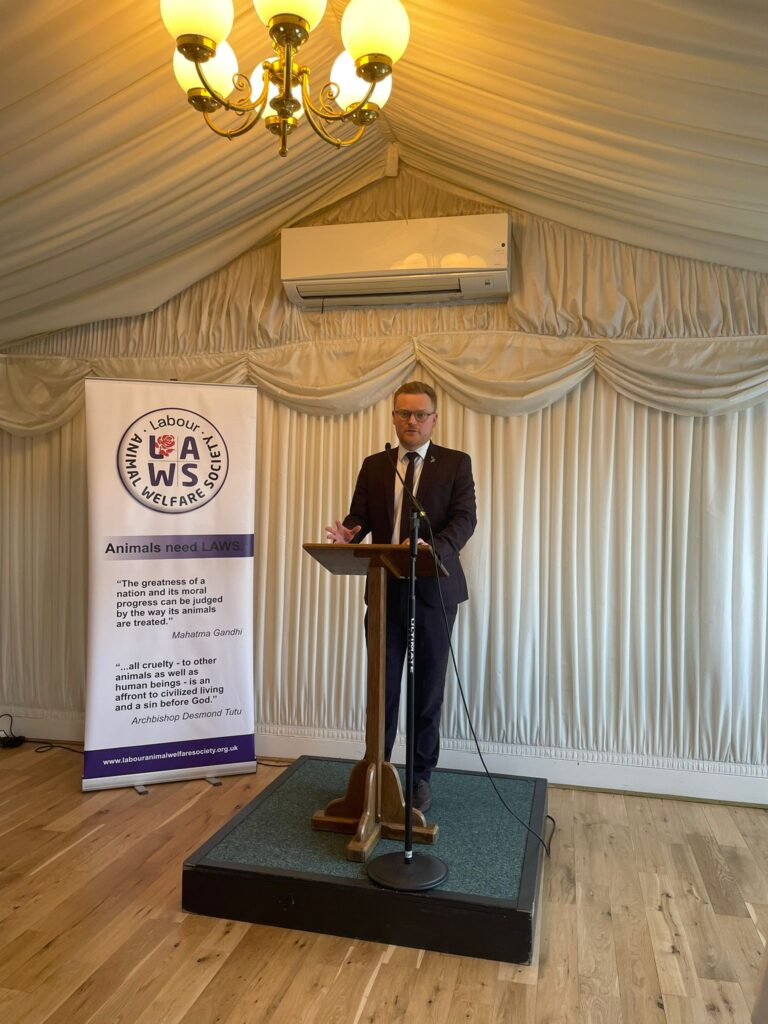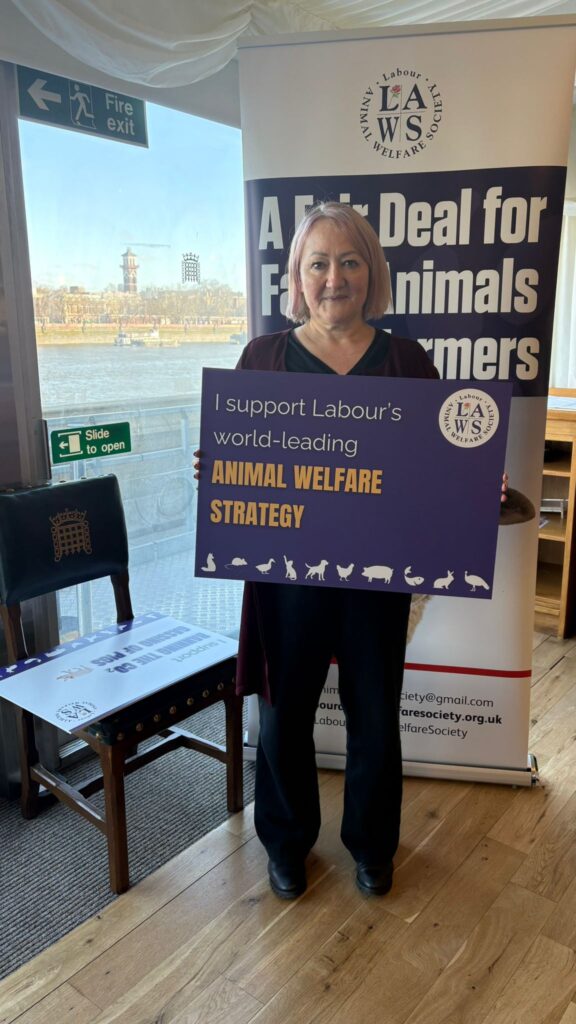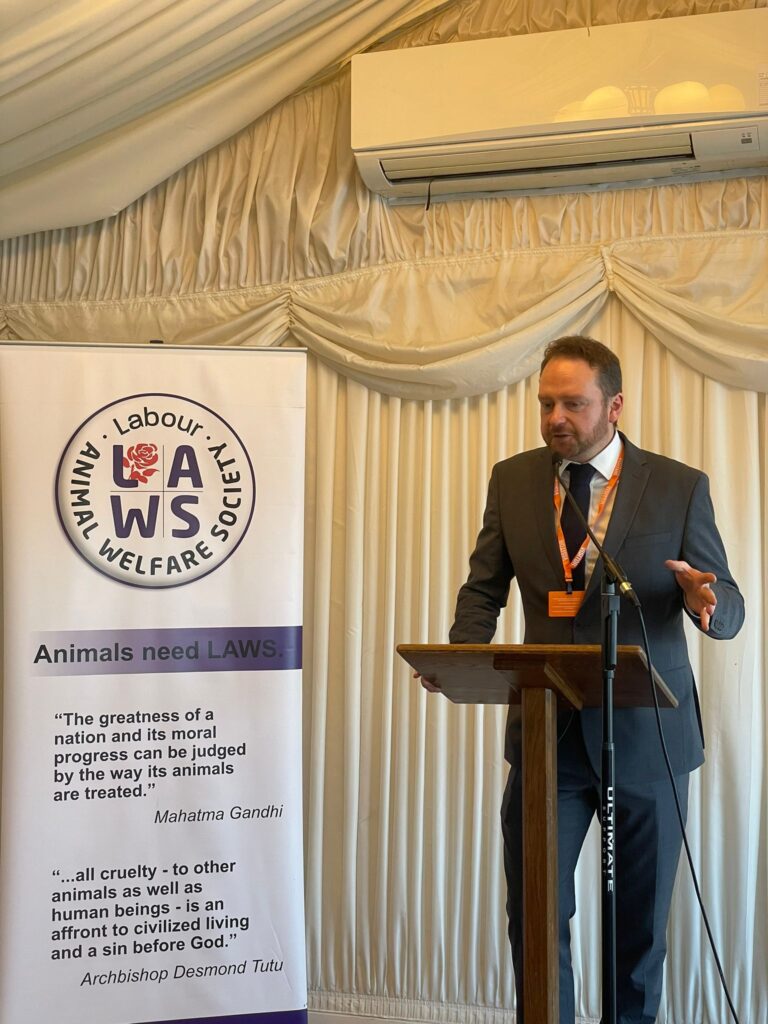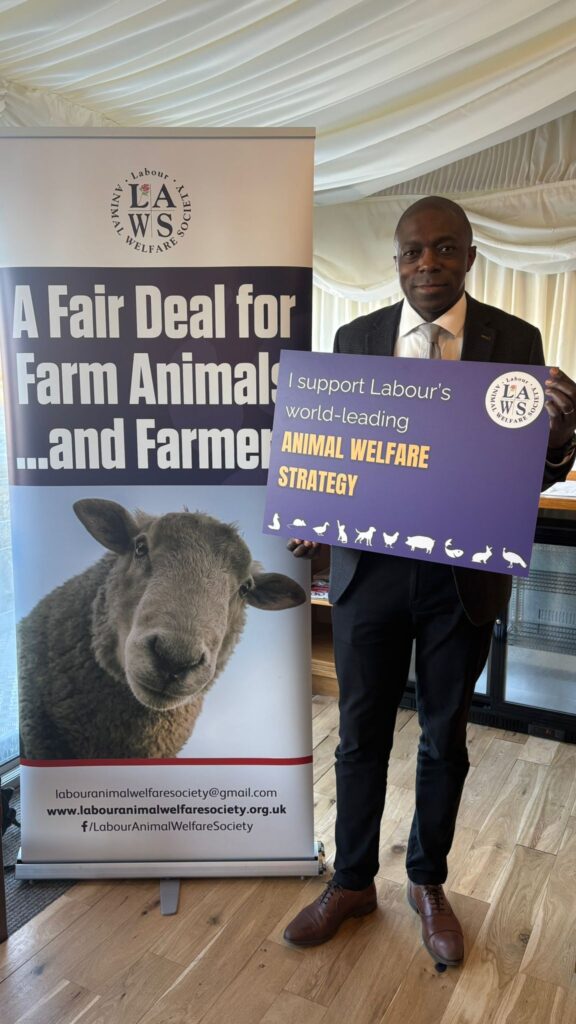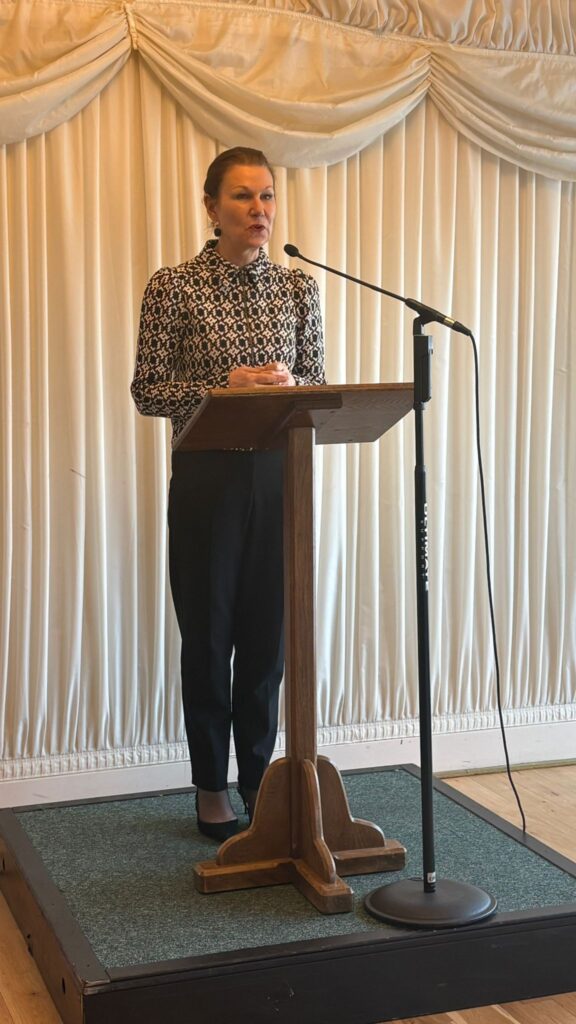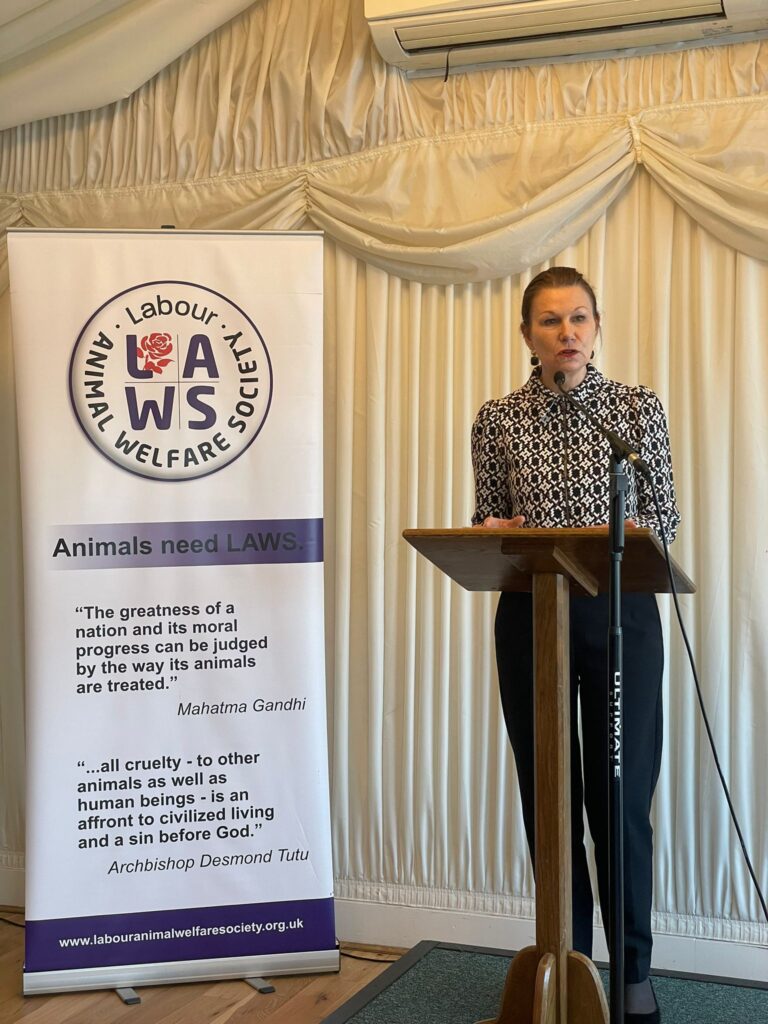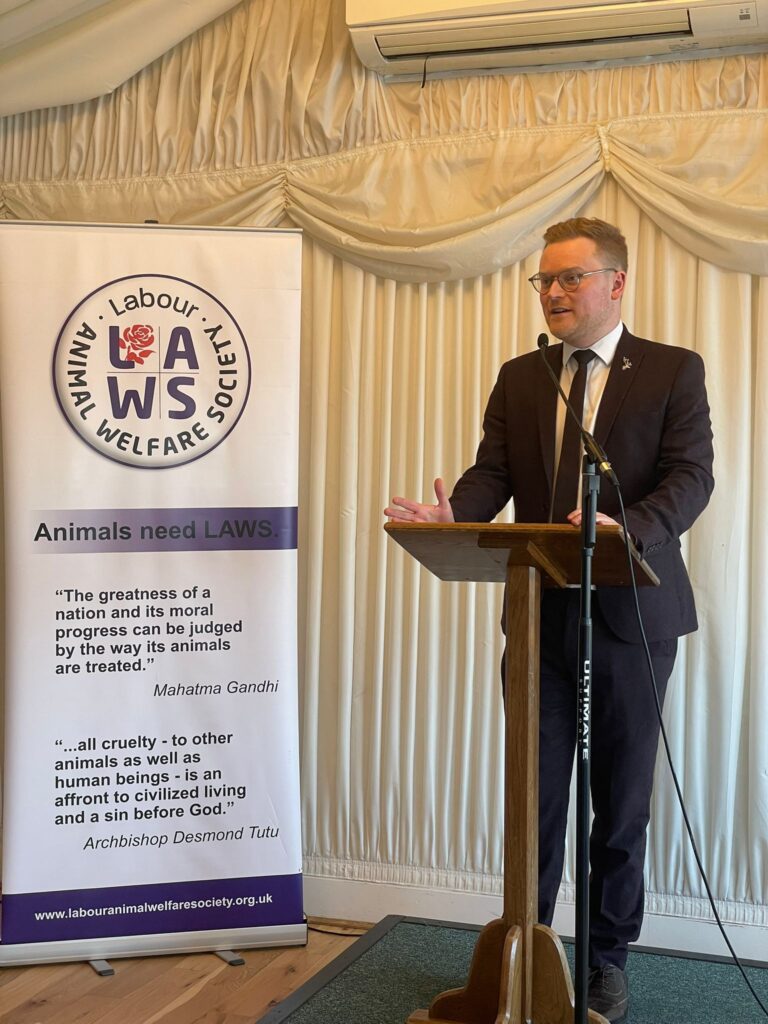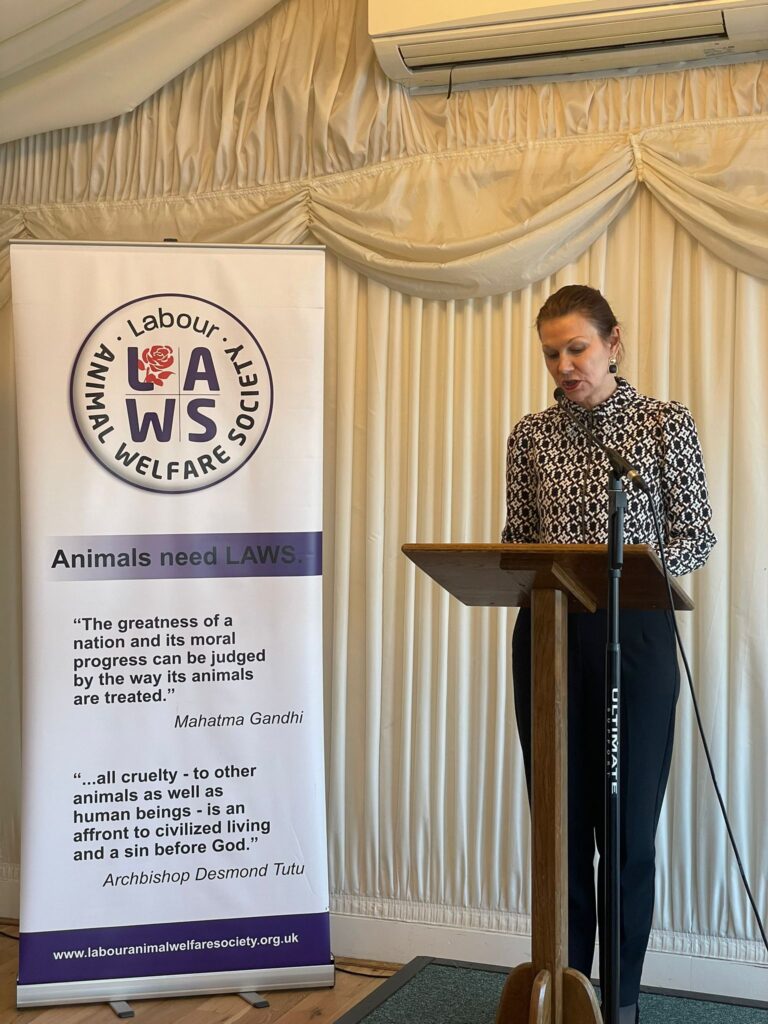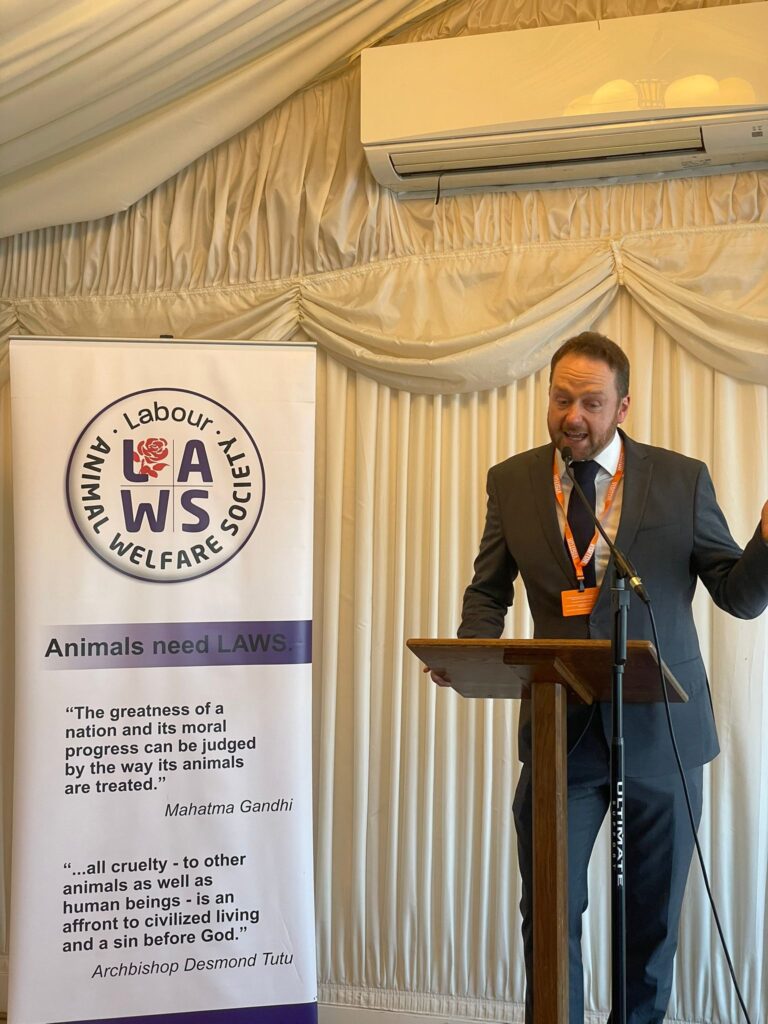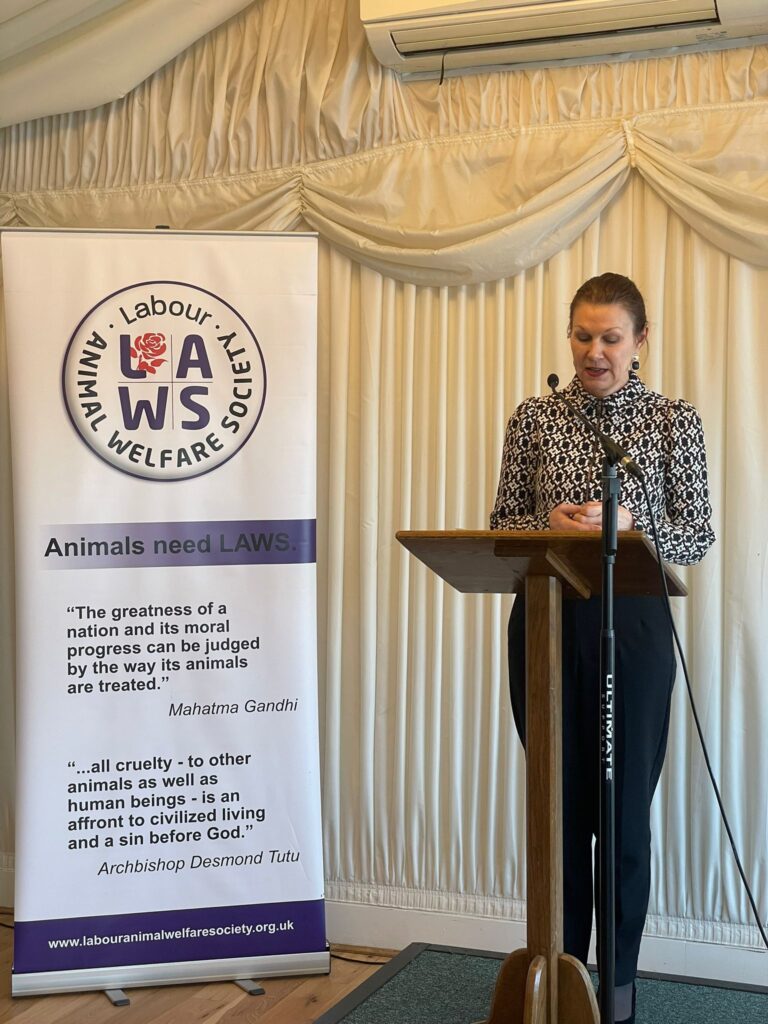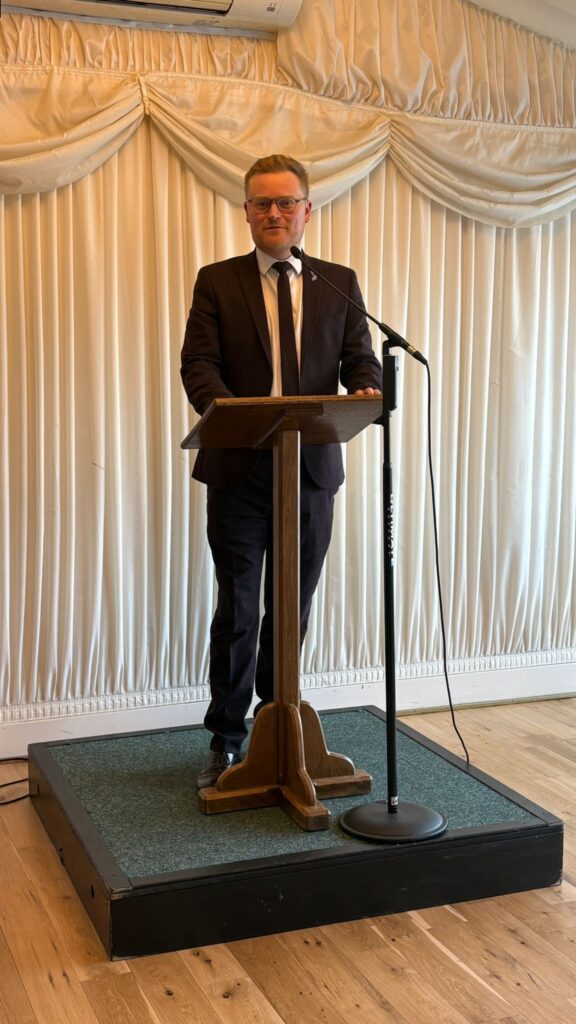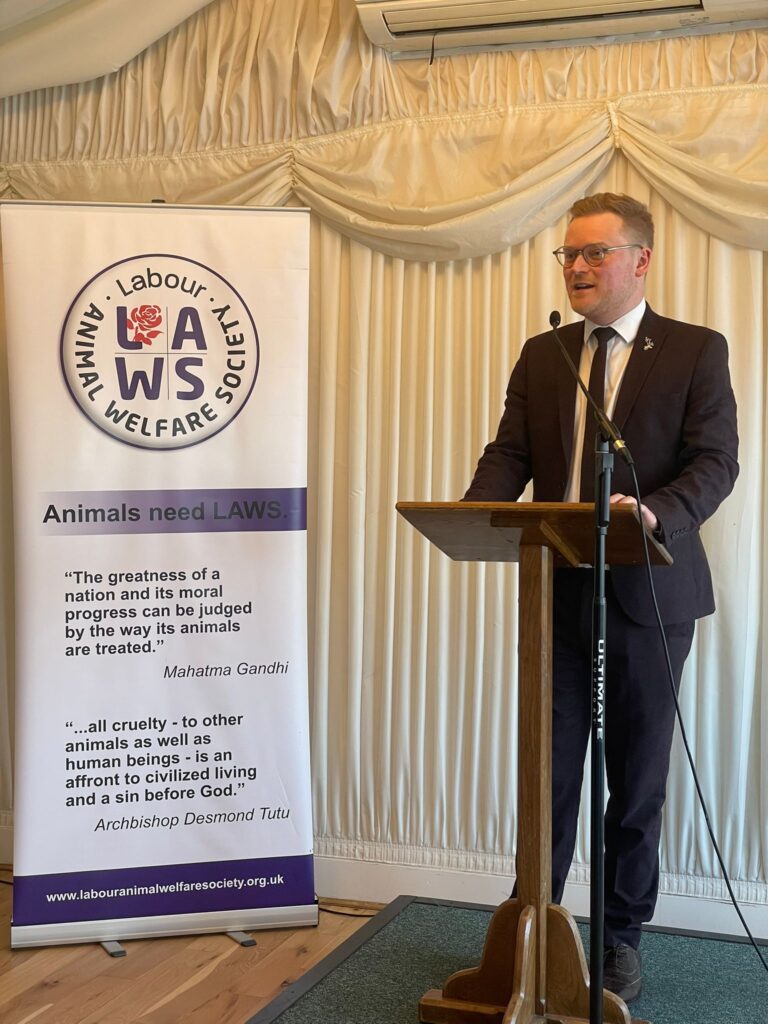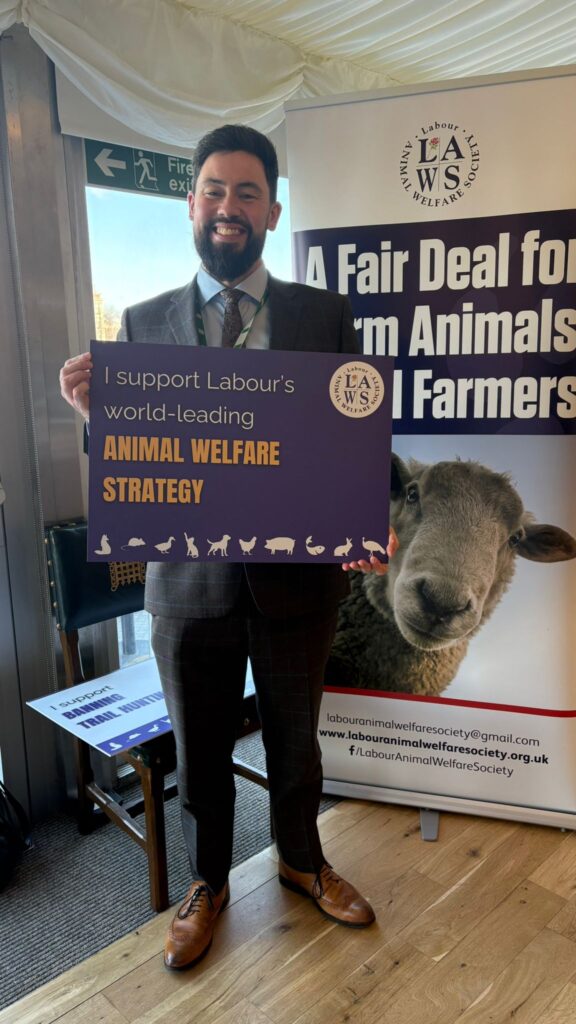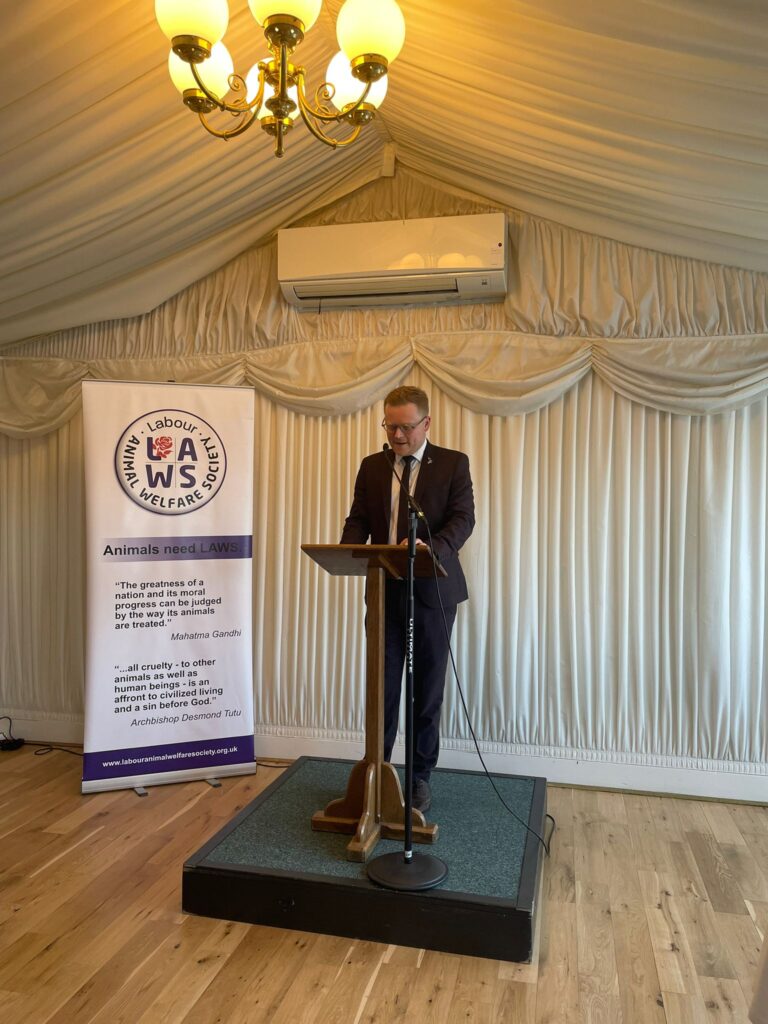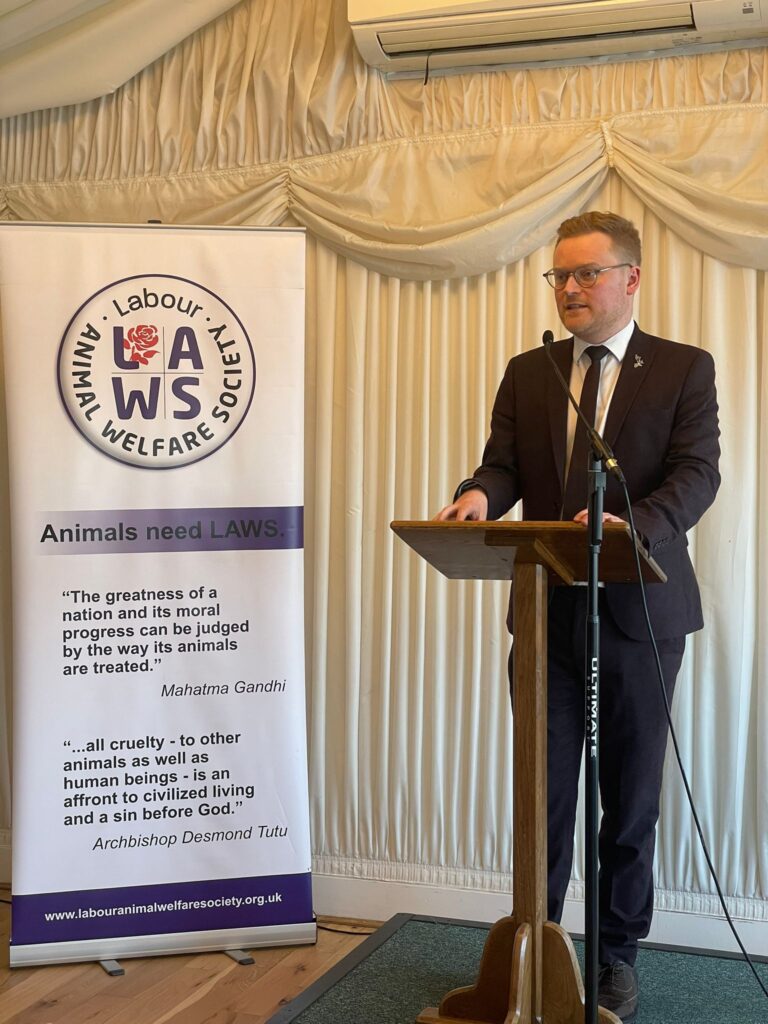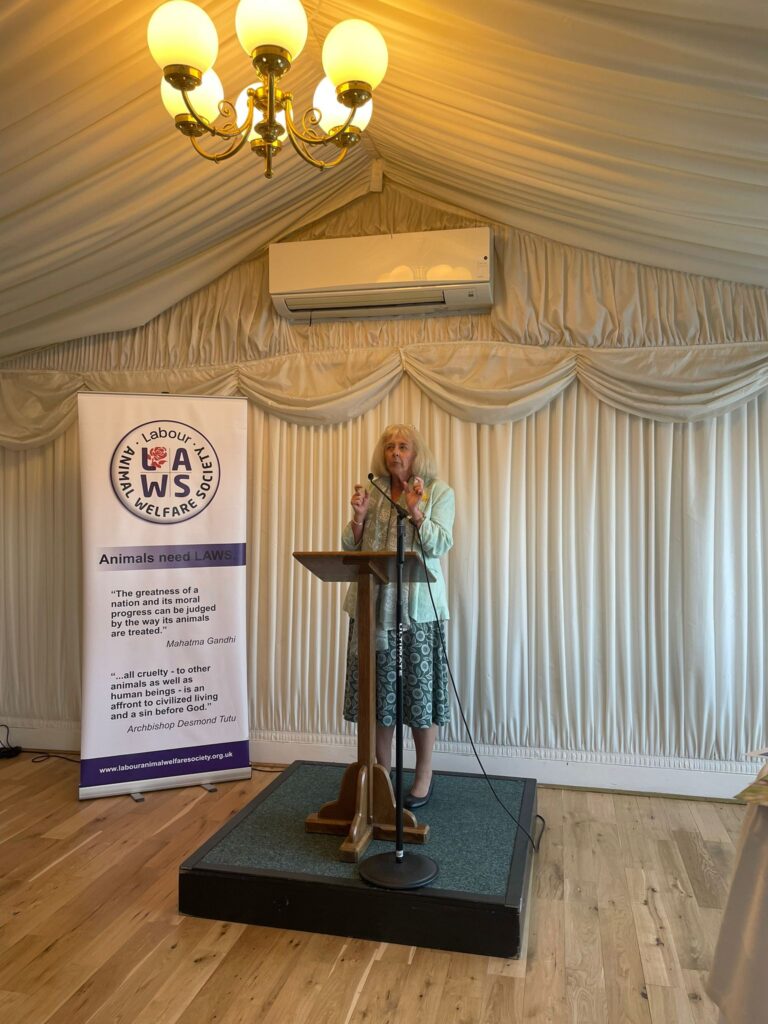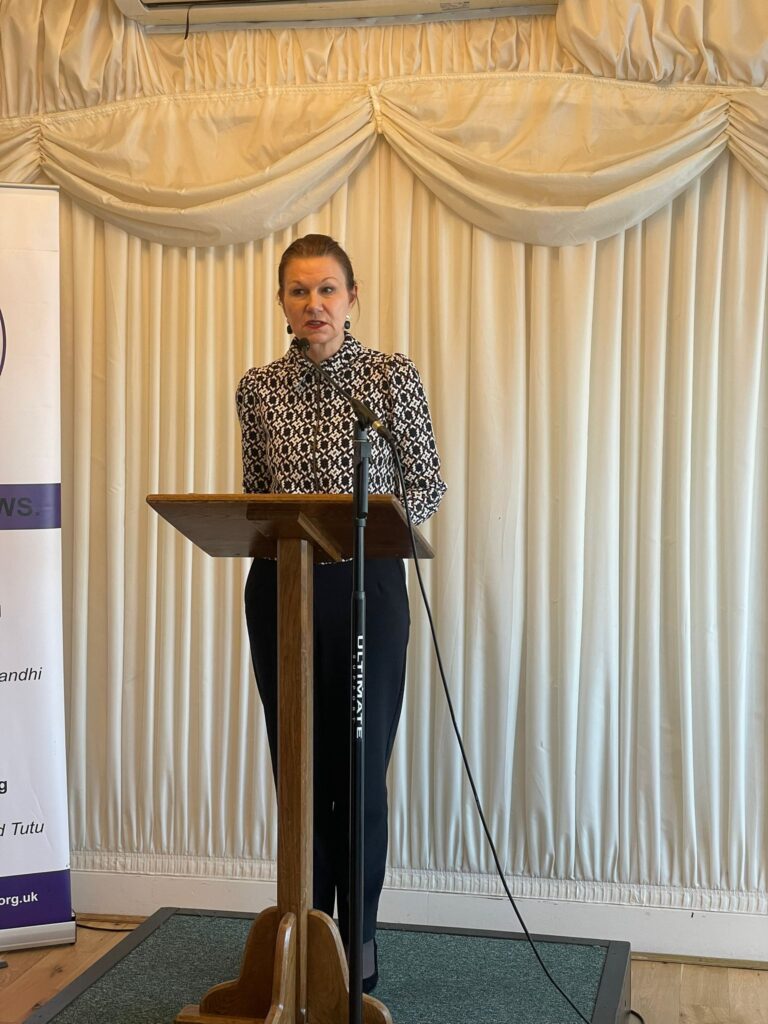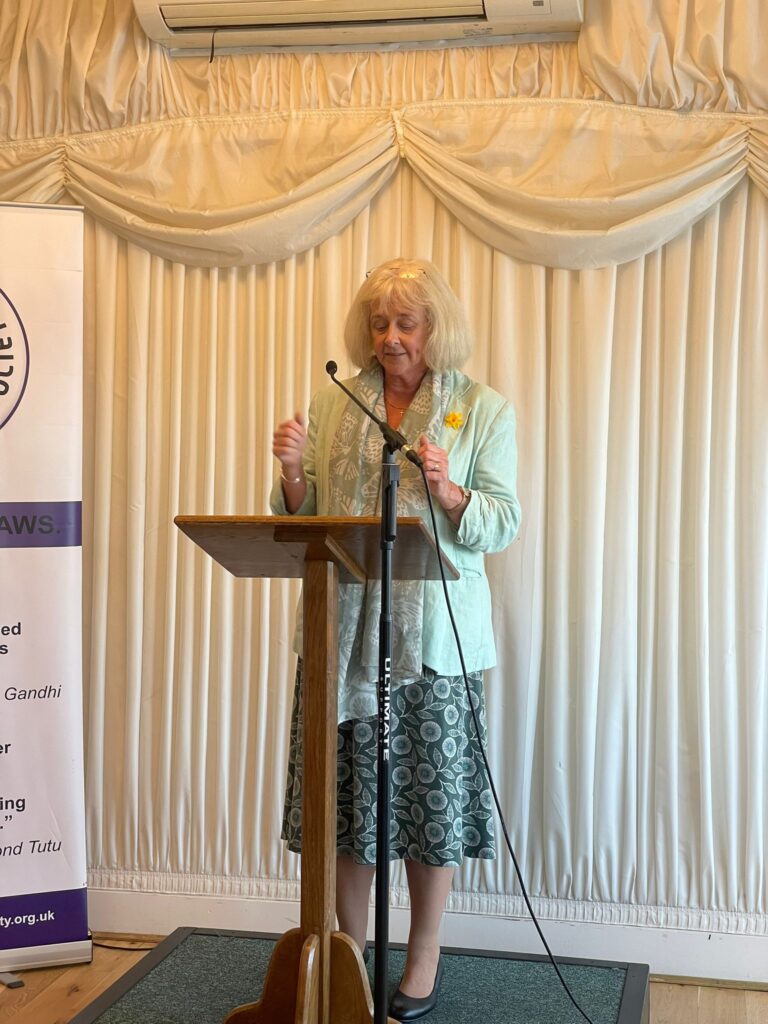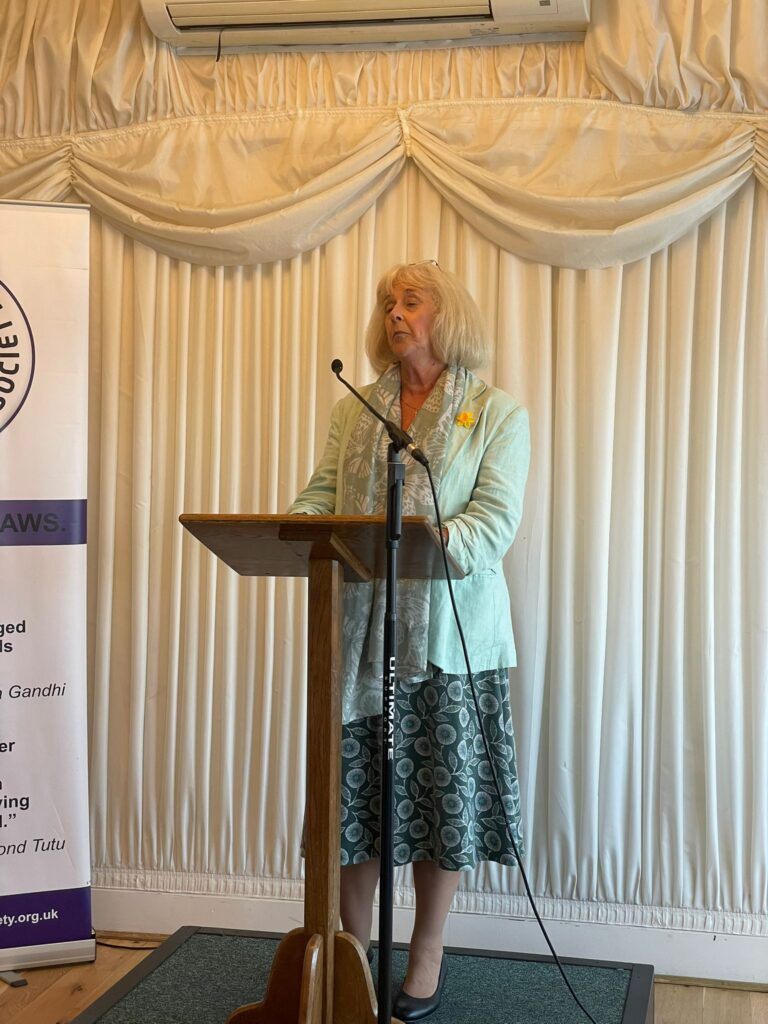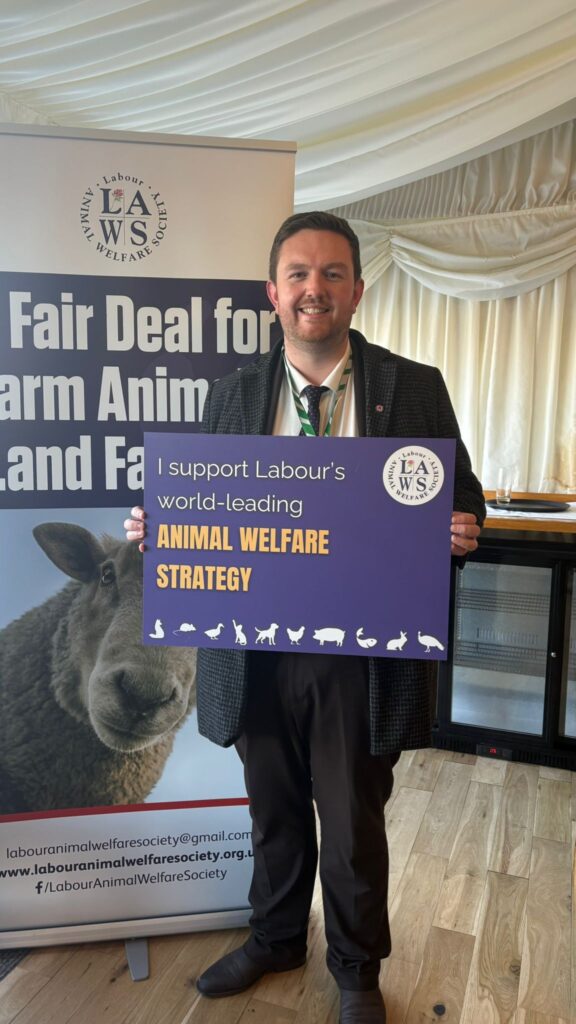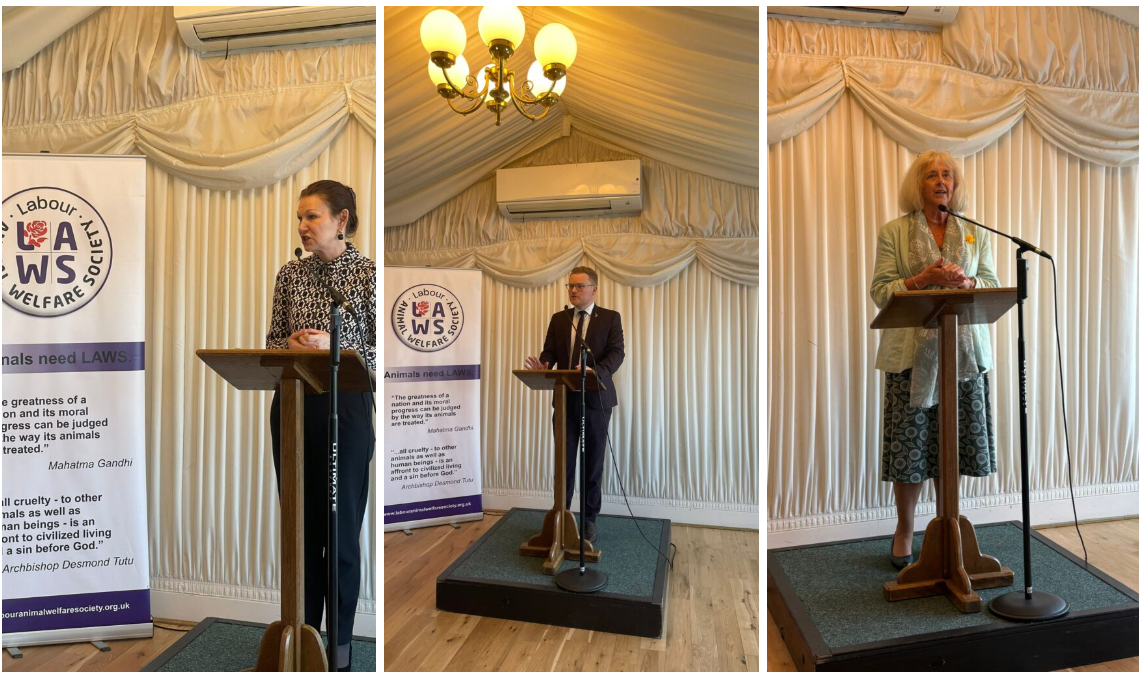
This week, the Labour Animal Welfare Society (LAWS) hosted a parliamentary reception with Labour MPs, peers and animal protection advocates to celebrate the government’s new Animal Welfare Strategy and discuss the next steps needed to turn its commitments into real-world change for animals.
The reception reflected a strong sense of momentum. Labour has set out an ambitious programme that has the potential to deliver the biggest boost to animal welfare in a generation. For campaigners and parliamentarians alike, the focus now is on delivery, and on making sure the Strategy’s commitments are implemented swiftly and in full.
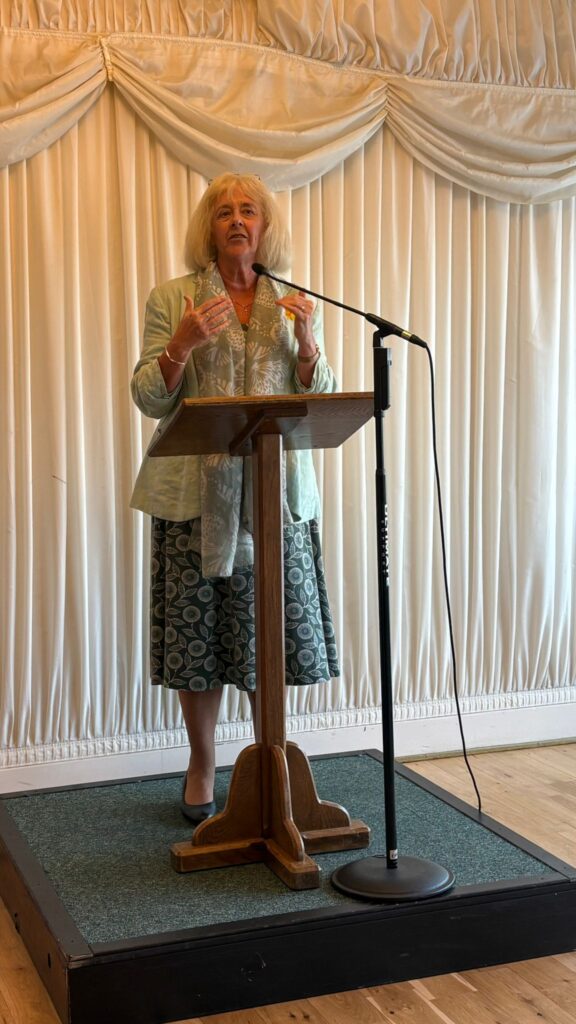
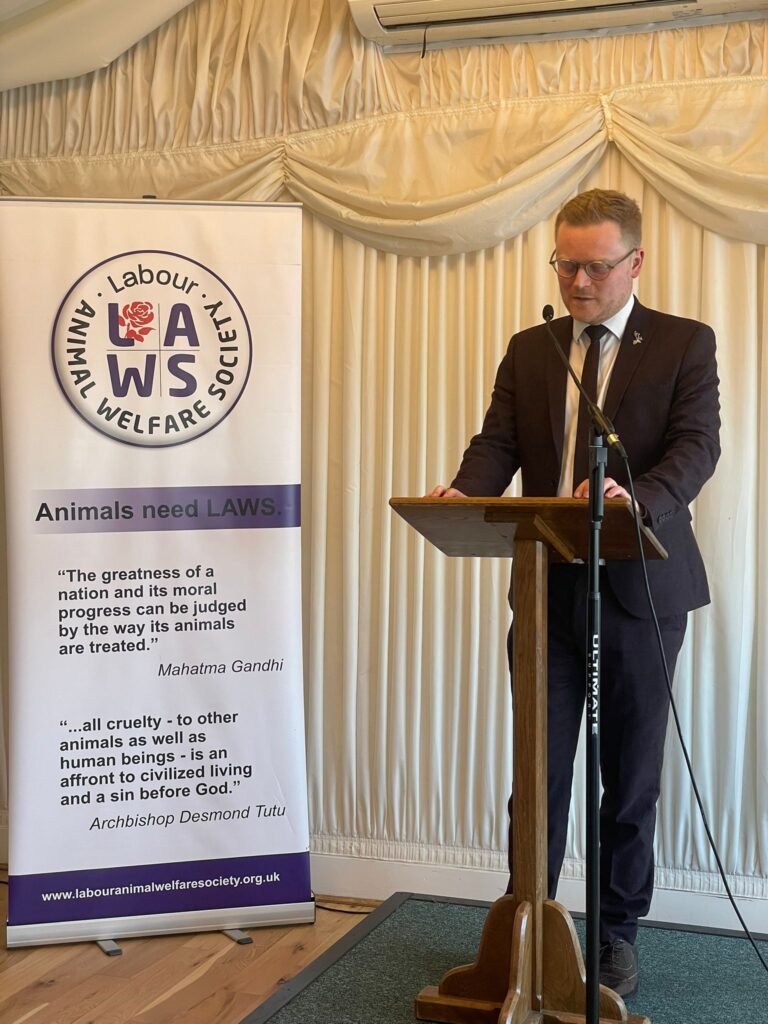
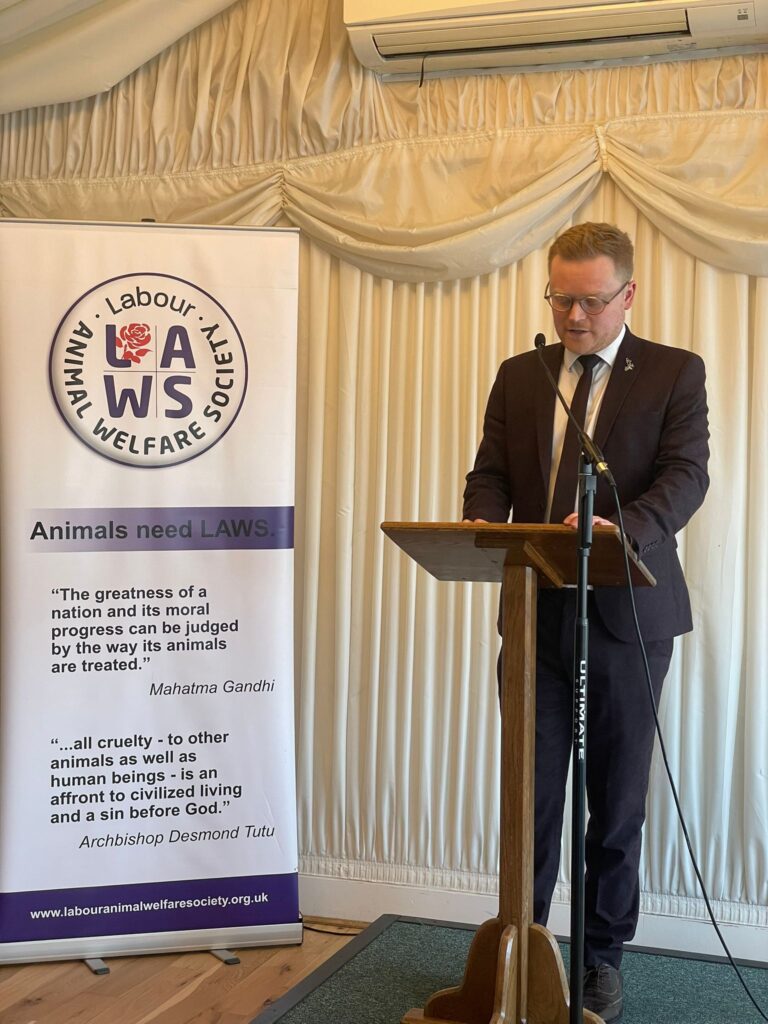
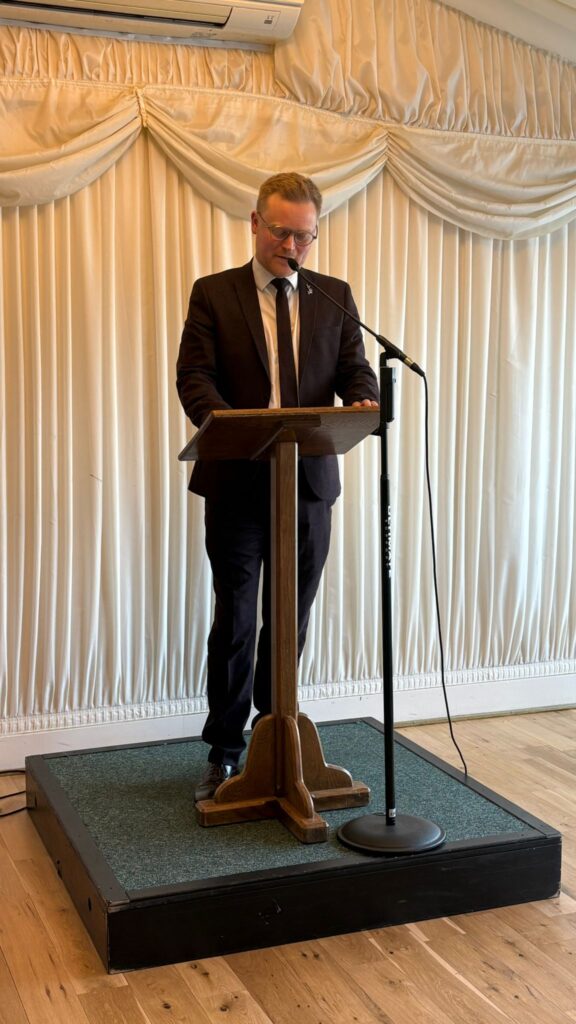
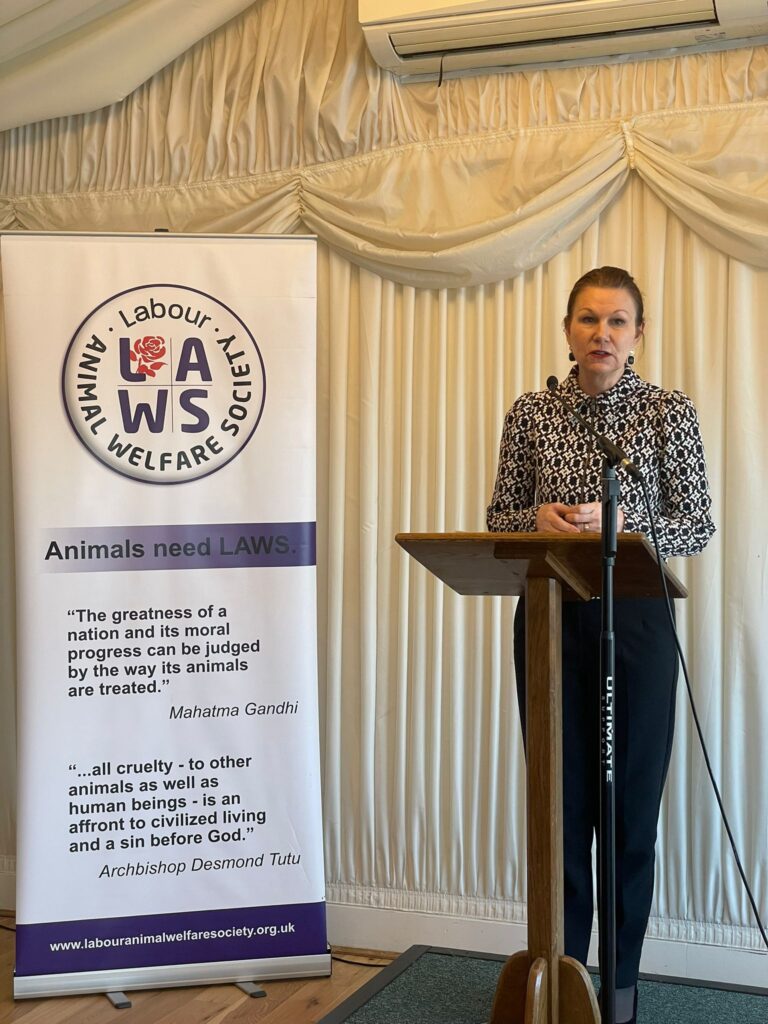
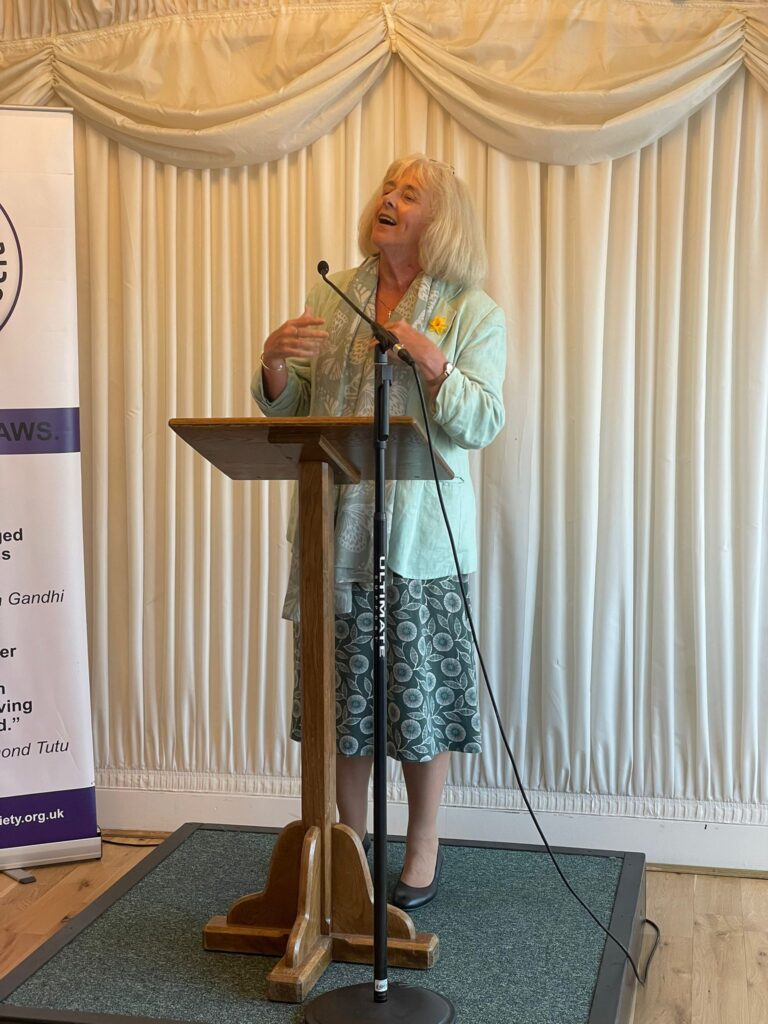
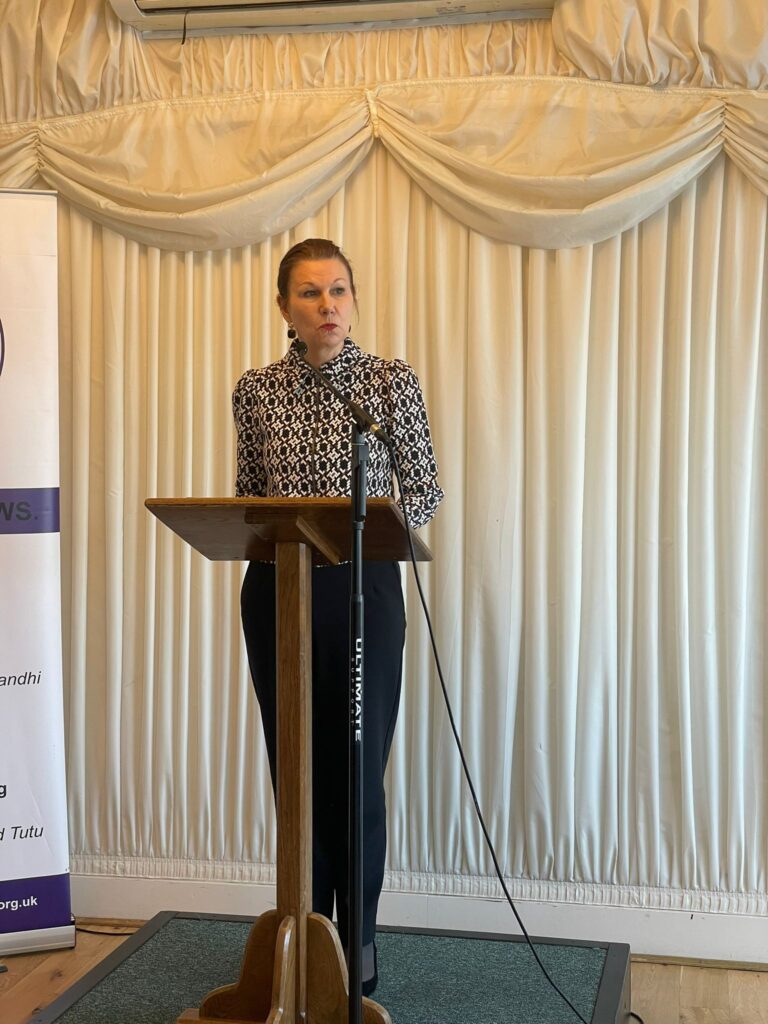
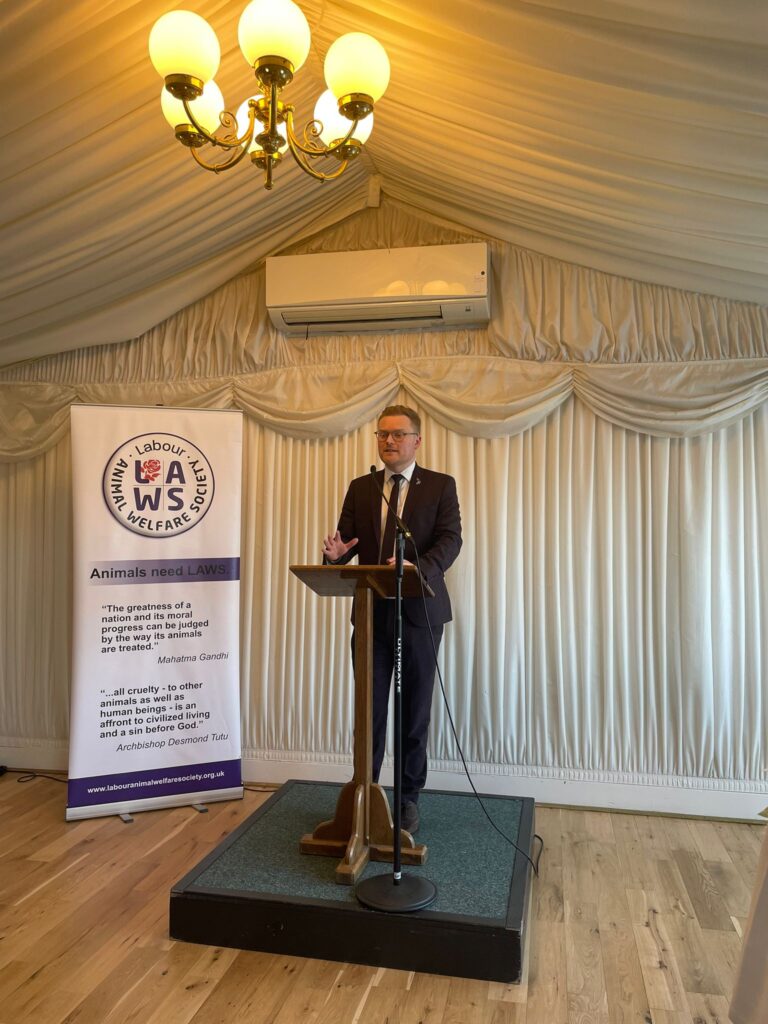
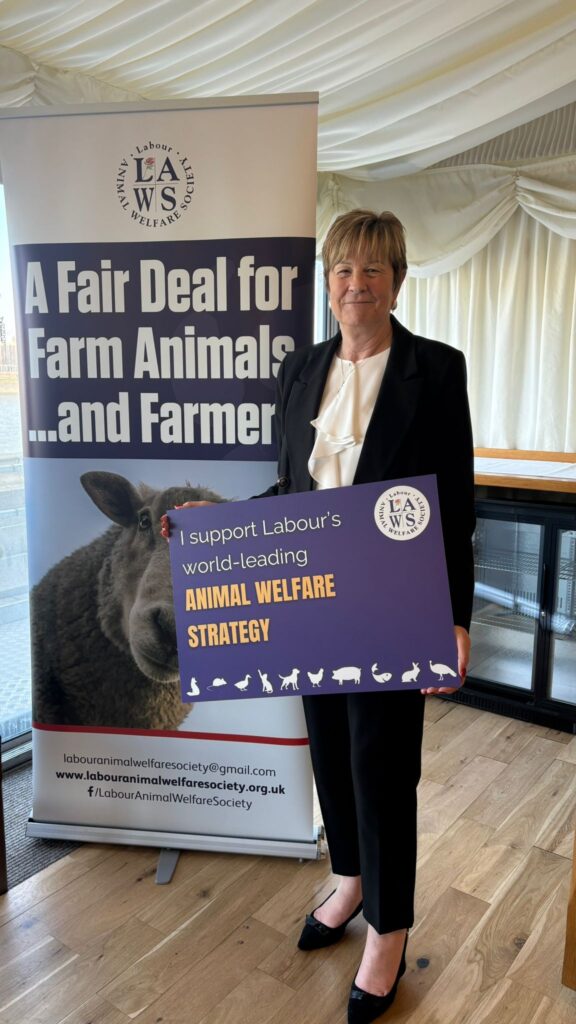
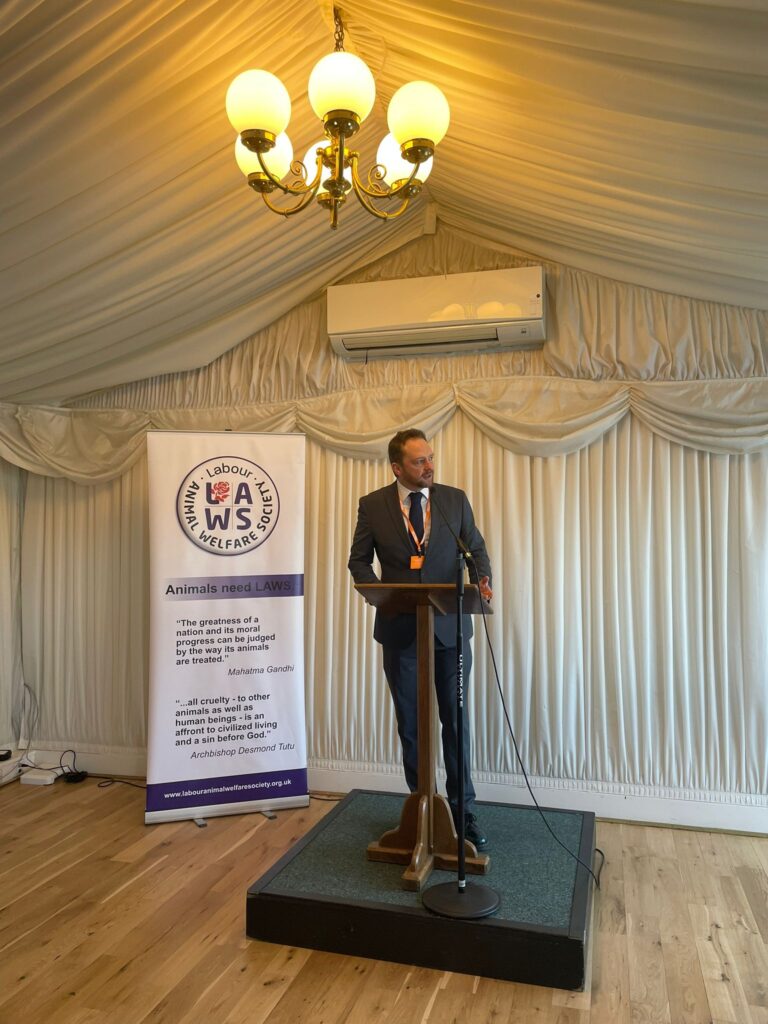
Speakers at the reception included Josh Newbury MP, Ruth Jones MP, and Baroness Hayman of Ullock (Sue Hayman), who spoke about the importance of maintaining political momentum and ensuring animal welfare remains a serious priority across government.
LAWS was especially pleased to welcome Baroness Hayman of Ullock in her role as Parliamentary Under-Secretary of State at DEFRA, where she has ministerial responsibility including animal welfare. Sue underlined the significance of having strong leadership inside government to drive forward reform, and the opportunities now available to deliver long-overdue improvements for animals.
Speaking on behalf of LAWS, Richard Bissett welcomed the publication of the Strategy as a major step forward and stressed the importance of moving quickly from policy commitments to implementation. He said that many of the reforms are overdue because animal welfare was allowed to drift for years under previous Conservative governments, with commitments repeatedly delayed or left unimplemented, despite strong public support and clear evidence for action. He added that Labour now has a real opportunity to deliver meaningful change and strengthen its proud record on animal welfare.
A central theme of the reception was the need to end intensive confinement systems for farmed animals. LAWS welcomed the government’s commitment to consult on ending enriched cages for hens and farrowing crates for pigs. As highlighted in the LAWS briefing, around 7 million laying hens in the UK are still kept in cages, and around 200,000 mother pigs are confined in farrowing crates, unable to turn around. LAWS welcomed the swift launch of the consultation on ending cages for hens and called for a consultation on farrowing crates to be launched this year, followed by secondary legislation by the end of 2026 to phase out both systems with a short transition period.
The reception also highlighted the Strategy’s pledge to ban the CO2 gassing of pigs, subject to consultation. LAWS described this as a critical welfare reform, noting that more than 90% of pigs in England and Wales are currently slaughtered using this method, despite long-established scientific evidence that it is aversive. LAWS supports publication of a consultation in 2026 and then implementation of a ban by amending the Welfare of Animals at the Time of Killing (England) Regulations 2015, with a phase-out within three years.
For wild animals, LAWS welcomed the Strategy’s commitment to deliver Labour’s manifesto promises to ban trail hunting and snare traps. More than two decades after the Hunting Act 2004, there remains evidence of illegal hunting being carried out under the guise of trail hunting. LAWS also reiterated concerns about the cruelty and indiscriminate nature of snares, which can inflict severe suffering on foxes and other wild animals, including non-target species. LAWS is calling for primary legislation as soon as possible to amend the Hunting Act 2004 to ban trail hunting and introduce a ban on snare traps.
The reception also addressed the fur trade, welcoming the government’s commitment to establish a working group on fur, alongside publication of the results of the previous government’s fur trade call for evidence and consideration of the Animal Welfare Committee’s forthcoming report. LAWS noted that these commitments reflect longstanding public concern about the welfare of animals killed in the global fur trade, more than 20 years after fur farming was banned in the UK. LAWS is calling for the call for evidence results and Animal Welfare Committee report to be published in the first half of 2026, for the working group to begin in the first half of 2026, and for the process to move towards a full ban on the import and sale of fur.
Alongside these headline reforms, LAWS welcomed further commitments in the Strategy affecting companion, wild and farmed animals, including humane slaughter standards for farmed fish, a close season for hares, and reform of dog breeding to improve health and welfare and help tackle puppy farming. LAWS said these measures, together with the wider package of reforms, could help restore Britain’s position as a world leader on animal welfare and build on Labour’s proud legacy of animal protection.
LAWS also encouraged supporters to engage with the current DEFRA consultations linked to the Strategy, including the consultation on cage reform for laying hens and breeder birds, and the consultation on lamb castration and tail docking methods, including pain relief. LAWS emphasised that consultation responses are a practical way to strengthen the evidence base for ambitious reform and help ensure the Strategy becomes more than a document, but a programme of real change for animals.
LAWS looks forward to continuing to work with MPs, peers, ministers and the wider animal protection movement to support the delivery of these commitments in full.